The Role of Calcium in Vein Health
Calcium is best known for building strong bones, but this essential mineral also plays an important part in how your blood vessels function. From muscle contraction to blood clotting, calcium is quietly involved in keeping your circulatory system running smoothly. Understanding that connection can help you support your veins through balanced nutrition rather than guesswork.
As with most things in the body, the theme here is balance. Your veins need enough calcium to work well, but calcium also needs the right partners to stay where it belongs.
How Calcium Supports Your Vascular System
Calcium is a key player in muscle contraction, including the smooth muscle within your vein walls that helps regulate blood flow. It also plays an essential role in the blood clotting process, which protects you when you are injured. When calcium metabolism is well regulated, it supports normal vascular tone and healthy circulation.
Problems can arise when calcium is not properly directed within the body. Rather than focusing on any single mineral in isolation, it helps to think about the whole nutritional picture that keeps your veins strong. Vein health is shaped by many factors working together, which is why our team looks at the full picture during an evaluation, as you can see on our vein treatment options page.
The Balance That Protects Your Veins
Calcium works best alongside other nutrients that guide it into bone and away from soft tissue. Magnesium and vitamin K2, in particular, help your body use calcium effectively. This is why a varied diet tends to matter far more than any single supplement, and why loading up on calcium alone is rarely the answer.
Getting Calcium From Your Diet
Most people can meet their calcium needs through everyday foods. Building meals around a few reliable sources makes it easy:
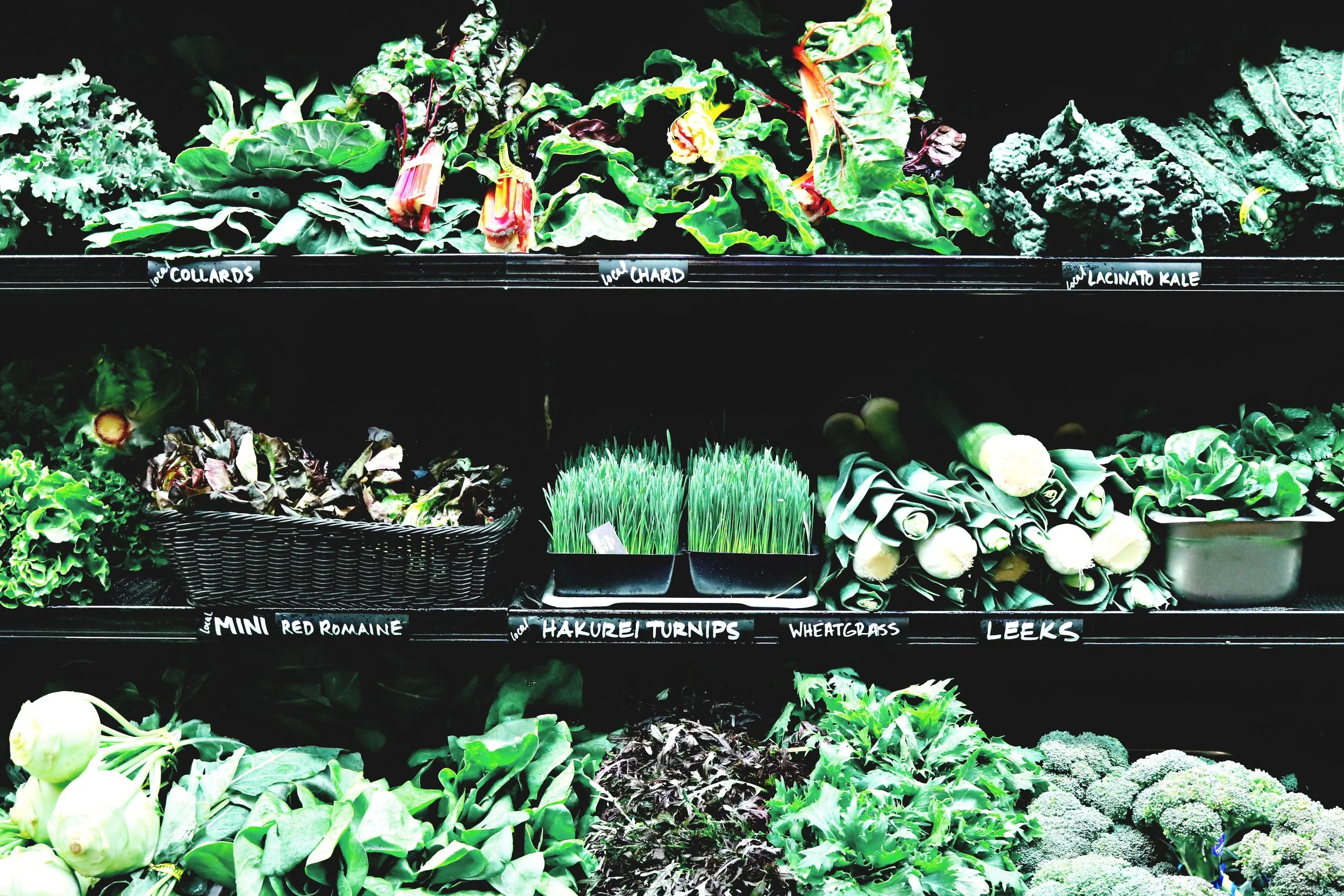
Leafy greens such as kale and collard greens
Dairy products or fortified plant-based alternatives
Sardines and canned salmon with soft bones
Almonds and other nuts and seeds
Beans and lentils
Pairing these with magnesium-rich and vitamin-K-rich foods helps your body put the calcium to good use.
Other Nutrients That Support Your Veins
Calcium is only one part of a much larger nutritional picture when it comes to vein and vascular health. Several other nutrients play supporting roles, and a diet rich in variety naturally provides most of them. Understanding these can help you build meals that nourish your veins from the inside out.
Vitamin C, for instance, is essential for producing collagen, a key building block of strong, flexible vein walls, and it is easy to find in citrus fruits, berries, and bell peppers. Bioflavonoids, which give many fruits and vegetables their vibrant color, are often associated with supporting healthy veins and circulation. Fiber matters too, since it supports healthy digestion and helps you avoid the straining that can put pressure on the veins over time.
Staying well hydrated keeps blood flowing smoothly, and maintaining a healthy weight reduces the load on your leg veins. Rather than fixating on any single nutrient, the most reliable approach is a colorful, whole-food diet that delivers a broad range of vitamins and minerals working together. You can find more everyday tips for supporting your vascular health on our blog.
A Balanced Approach to Vein-Healthy Nutrition
Nutrition is only one piece of vascular health. These simple steps keep calcium in perspective as part of a bigger strategy.
1. Favor whole foods over supplements
Whenever possible, aim to get calcium and its partner nutrients from food rather than pills. Whole foods deliver a natural balance of nutrients that work together, which is difficult to replicate with an isolated supplement.
2. Keep moving
Regular movement supports both bone health and healthy circulation. Walking, stretching, and avoiding long stretches of sitting all help your veins move blood efficiently back toward the heart.
3. Talk to a professional before supplementing
If you are considering a calcium supplement, especially if you have a history of vein disease or clotting concerns, check with a professional first. The right approach depends on your personal health picture, and more is not always better. You can learn more about our practice and philosophy of care before you visit.
The Takeaway
Calcium is one important thread in the larger fabric of vein and vascular health, working best when balanced with movement, hydration, and other key nutrients. A varied, whole-food diet is usually the simplest way to support it. If you would like a nutrition and lifestyle plan tailored to your vein health, schedule a consultation with the team at Elmore Medical, and meet the specialists who will care for you on our team page.
Elmore Medical Vein & Laser Treatment Center is the premier vein specialty medical practice in the Central Valley. Dr. Mario H. Gonzalez and his staff offer years of experience and medical expertise that you won’t find anywhere else. Contact us to set up a consultation appointment.