Back-to-School: Teaching Children About Healthy Circulation Habits
The start of a new school year comes with a familiar checklist: supplies, schedules, sneakers, and earlier bedtimes. Circulation almost never makes that list. Yet the same daily routines that help kids feel focused and energized also quietly protect the health of their veins for decades to come. Teaching children a few simple circulation habits now is one of the easiest long-term investments a parent can make.
The best part is that none of this requires special equipment or a major lifestyle overhaul. It comes down to movement, hydration, posture, and a little parental modeling.
Why Circulation Matters More Than You Might Think
Veins do the demanding work of carrying blood from the legs back up to the heart, against gravity, with help from tiny valves and the pumping action of leg muscles. When kids move regularly, they keep that system strong and efficient. When they sit for hours, blood tends to pool and the system grows sluggish.
Most children have naturally resilient veins, so the goal is not to worry parents about vein disease in a ten-year-old. It is to build habits early, before years of sedentary screen time and desk work set in. Many adults trace their vein concerns back to a lifetime of sitting or standing still, and you can see an overview of how these issues are treated on our vein treatment options page.
Everyday Habits That Keep Young Veins Healthy
A handful of small, repeatable behaviors make the biggest difference. Weave these into the school-year routine and they quickly become second nature:
Movement breaks. After long stretches of homework or screens, encourage a quick walk, a stretch, or a lap around the yard to get blood flowing.
Steady hydration. Water supports healthy blood volume and circulation, so a refillable bottle in the backpack is an easy daily win.
Smart backpack habits. An overloaded pack strains posture, so encourage kids to pack light and use both straps.
Active play. Running, biking, jumping, and swimming are some of the best natural pumps for the leg veins.
Good sitting posture. Remind kids to keep feet flat on the floor rather than tucked underneath them for hours.
A Simple Circulation-Friendly Routine
You do not need a rigid plan to make these habits stick. These three steps turn good intentions into an easy daily rhythm the whole family can follow.
1. Anchor movement to existing transitions
Attach a short burst of movement to moments that already happen every day, like finishing homework or a TV episode. Tying movement to an existing cue removes the need to remember it separately and helps it become automatic over time.
2. Make hydration visible
Send kids off with a marked water bottle and set a simple goal to refill it once during the school day. Concrete, visible targets are far easier for children to follow than a vague reminder to drink more water.
3. Model it yourself
Children absorb circulation habits the same way they absorb everything else, by watching you. When the whole family takes stretch breaks and stays active, healthy movement becomes part of the household culture rather than a chore.
Making Healthy Movement a Family Habit
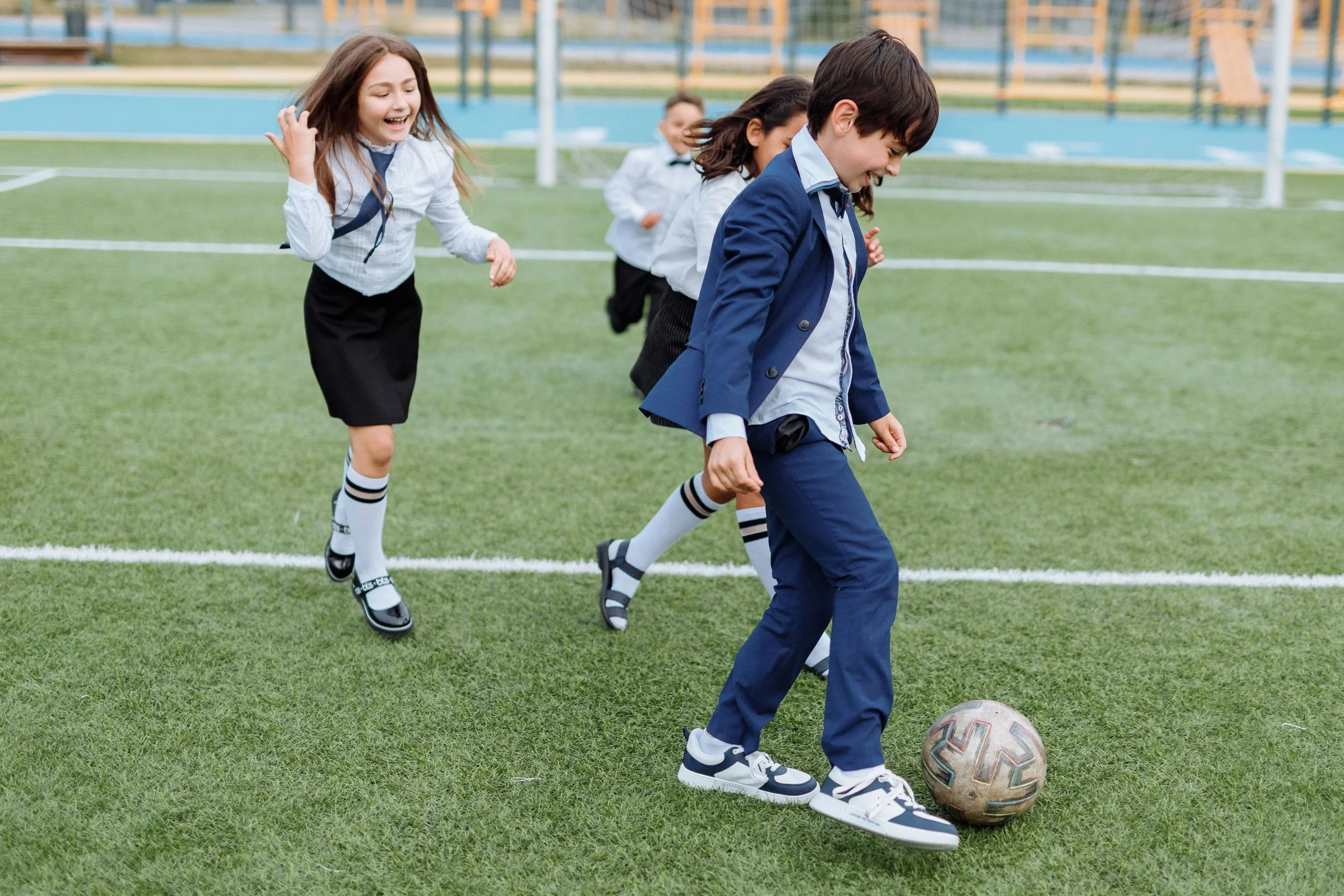
Habits stick best when they are shared, so the most effective way to teach children about circulation is to build movement into your family's rhythm together. Rather than framing activity as something your child has to do, make it something the whole family enjoys. An after-dinner walk, a weekend bike ride, a dance break in the living room, or a game of tag in the backyard all keep blood flowing while strengthening your connection at the same time.
It also helps to break up the long sitting stretches that fill a school day. Encourage your child to stand up and move during homework breaks, and consider making screen time active when you can, pausing a show to stretch or turning a video game into a chance to hop up between rounds.
Small, consistent bursts of movement add up, and when they happen alongside people your child loves, they feel like fun rather than a chore. Over time, these shared habits teach your child that caring for their body is a normal, enjoyable part of everyday life, a lesson that supports their circulation and much more.
When to Talk to a Specialist
Vein disease is far more common in adults, but if your family has a strong history of varicose veins and you are curious about your own risk, back-to-school season is a natural time to check in. You can browse our treatment videos to see how modern vein care works, meet the specialists who would care for you on our team page, or schedule a consultation to talk through any concerns.
The Takeaway
Healthy circulation habits are simple, inexpensive, and remarkably durable when they are built early. A little movement, steady hydration, mindful posture, and a parent who leads by example add up to a strong foundation for lifelong vein health. Start small this school year, and you will be giving your kids a gift that keeps working long after the backpacks are put away.
If you would like to understand your own vein health while helping your kids build good habits, the team at Elmore Medical is here to help. Reach out through our contact page to get started.
Elmore Medical Vein & Laser Treatment Center is the premier vein specialty medical practice in the Central Valley. Dr. Mario H. Gonzalez and his staff offer years of experience and medical expertise that you won’t find anywhere else. Contact us to set up a consultation appointment.