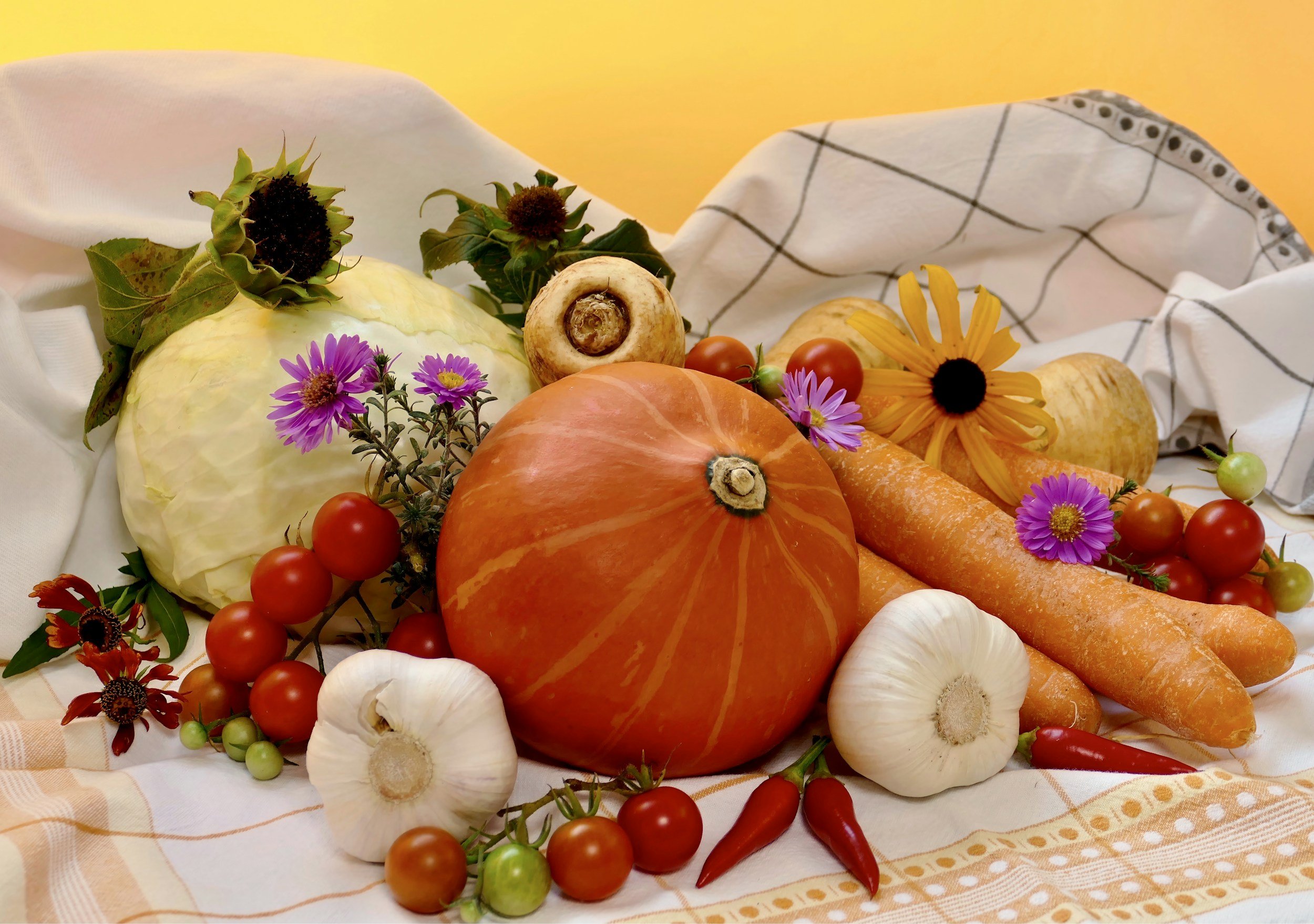
Thanksgiving gets a bad reputation in health writing, and some of it is deserved. But the traditional November table is also full of foods that do real favors for your circulatory system. Sweet potatoes, cranberries, dark leafy greens, and nuts are not diet compromises. They are among the better things you can put on a plate if you care about how your legs feel.
The trick is knowing which parts of the meal support blood flow and which quietly work against it. If you deal with varicose veins, swelling, or venous insufficiency, a few informed choices can be the difference between a comfortable evening and an ankle you barely recognize the next morning.
Why a Holiday Meal Shows Up in Your Legs
Two things about Thanksgiving affect the venous system directly. The first is sodium. Holiday cooking leans on salted butter, brined poultry, canned broth, stuffing mixes, and gravy, and the combined load pulls fluid into the tissues. In legs where valves already struggle to return blood upward, that extra fluid settles at the ankles.
The second is stillness. A long meal followed by hours on a couch means the calf muscle pump sits idle for most of the day, exactly when your body is managing a larger than usual fluid volume.
Six Foods on the Table That Support Circulation
The traditional menu already contains most of what your vascular system wants. These six are worth serving yourself generously.
1. Sweet Potatoes
Sweet potatoes are one of the better potassium sources on the table, and potassium helps counterbalance sodium and regulate the fluid balance that drives swelling. They also deliver fiber and beta carotene in the same serving.
Roasting or baking preserves more of that benefit than a casserole topped with sugar and marshmallow. A closer look at how potassium supports vascular function explains why this mineral matters for people with swelling.
2. Cranberries
Cranberries are dense in polyphenols and vitamin C, both of which support the collagen and elastin that give vein walls their structure. Whole berry preparations retain considerably more of that value than heavily sweetened jellied versions.
If you are making the sauce yourself, reducing the sugar and adding orange zest keeps the antioxidant content intact. This overview of antioxidants and vein health covers why these compounds matter for vessel integrity.
3. Dark Leafy Greens
Kale, spinach, chard, and collards bring magnesium, folate, nitrates, and fiber. Dietary nitrates convert to nitric oxide, which helps blood vessels relax and improves flow. Greens also add volume to the plate without adding sodium, which naturally moderates how much of the saltier items you eat.
4. Walnuts and Pecans
Both nuts appear on Thanksgiving tables already, in stuffing, salads, and pies. Walnuts in particular supply plant based omega 3 fatty acids, which support healthy inflammatory balance and vessel flexibility. A discussion of omega 3 fatty acids and vein health covers the mechanism in more depth.
Choose unsalted versions where you can, since salted nuts undo part of the benefit by adding to the day's sodium total.
5. Whole Grain and Vegetable Stuffing
Constipation and straining increase abdominal pressure, which is transmitted to the veins of the legs and pelvis. Fiber prevents that, and a stuffing built on whole grain bread with celery, onion, and mushrooms delivers considerably more of it than a white bread base.
The relationship between dietary fiber and vascular wellbeing is one of the more underappreciated connections in vein health.
6. Turkey Itself
Lean poultry supplies protein needed for tissue repair and vessel maintenance, along with B vitamins involved in healthy blood chemistry. The meat is rarely the problem. The brine, the gravy, and the skin are where the sodium concentrates, so white meat with gravy on the side keeps the benefit while trimming the fluid retaining portion.
The Parts of the Meal to Approach Carefully
A few items deserve a lighter hand, particularly if evening ankle swelling is already familiar to you.
Gravy, canned broth, and prepared stuffing mixes, which are among the highest sodium items on the table
Salt cured additions such as bacon in green bean dishes and salted nut toppings
Alcohol, which promotes dehydration and dilates vessels, worsening the heaviness some people feel by evening
Large refined sugar desserts, which contribute to inflammatory load without offering vascular benefit
Second and third servings eaten while seated for hours, since stillness compounds everything else
None of these require elimination. They simply reward moderation more than the rest of the meal does.
Water and a Walk Do More Than You Expect
Hydration is the quietest variable of the day. Proper fluid intake keeps blood viscosity in a healthy range and helps the kidneys clear the day's sodium load, which is why staying hydrated matters for healthy veins more than most people assume.
Then walk. Fifteen or twenty minutes after the meal engages the calf pump, aids digestion, and moves fluid out of the lower legs. The tradition of a post meal stroll exists for good reason.
Enjoy the Meal, Support Your Circulation
Thanksgiving does not have to be a day you recover from. The traditional menu is unusually rich in the potassium, fiber, antioxidants, and healthy fats that support vein function, and the main risks come from sodium, alcohol, and hours of sitting rather than from the food itself. For a broader seasonal approach, this guide to maintaining vein health during the holidays carries you through December as well.
If holiday swelling, aching, or heaviness has become a yearly expectation, that is worth investigating rather than tolerating. Reading about anti inflammatory eating for vein health is a useful start, and the team at Elmore Medical in the Fresno area can evaluate what is happening with your veins. You can get in touch to schedule a consultation when you are ready. This article offers general information and is not individualized medical advice.
Elmore Medical Vein & Laser Treatment Center is the premier vein specialty medical practice in the Central Valley. Dr. Mario H. Gonzalez and his staff offer years of experience and medical expertise that you won’t find anywhere else. Contact us to set up a consultation appointment.