How Potassium Supports Vascular Function
When thinking about nutrients that support vein and vascular health, most people focus on vitamins like C and E or omega-3 fatty acids. However, one mineral that deserves far more attention is potassium. This essential electrolyte plays a critical role in maintaining healthy blood pressure, supporting proper circulation, and reducing the strain on your vascular system. Understanding how potassium works and how to incorporate it into your diet can make a meaningful difference in your overall vein health and cardiovascular function.

The Role of Potassium in the Body
Potassium is one of the body's most important electrolytes, working alongside sodium to maintain fluid balance, nerve signaling, and muscle contractions. Every cell in your body requires potassium to function properly, but its impact on vascular health is particularly significant. This mineral helps regulate the electrical impulses that control heart rhythm, supports the relaxation and contraction of blood vessel walls, and influences how your kidneys process sodium and water.
The relationship between potassium and the vascular system is complex and interconnected. When potassium levels are adequate, blood vessels remain flexible and responsive, blood pressure stays within healthy ranges, and circulation functions efficiently. When potassium is deficient, the entire cardiovascular system can suffer, leading to increased risk of high blood pressure, fluid retention, and added stress on veins throughout the body.
Potassium and Blood Pressure Regulation
One of potassium's most well-documented benefits is its ability to help regulate blood pressure. High blood pressure places tremendous strain on the vascular system, weakening vein walls over time and contributing to conditions like chronic venous insufficiency and varicose veins.
Potassium works to lower blood pressure through several mechanisms. It helps balance sodium levels in the body by promoting sodium excretion through the kidneys. Since excess sodium causes the body to retain water, which increases blood volume and pressure, potassium's ability to counteract this effect is crucial. The mineral also relaxes blood vessel walls, allowing blood to flow more freely with less resistance. This vasodilation effect reduces the workload on both arteries and veins, supporting overall vascular health.
Research consistently shows that individuals who consume adequate potassium have lower blood pressure readings compared to those with insufficient intake. For people concerned about vein health, maintaining healthy blood pressure through adequate potassium consumption is a foundational step in prevention and management.
Reducing Fluid Retention and Leg Swelling
Fluid retention is a common complaint among people with vein issues, particularly in the legs and ankles. Leg swelling, medically known as edema, occurs when fluid accumulates in tissues rather than being properly circulated and eliminated. This condition not only causes discomfort but also places additional pressure on already compromised veins.
Potassium plays a crucial role in maintaining proper fluid balance throughout the body. By regulating the movement of fluids across cell membranes and supporting kidney function, adequate potassium intake helps prevent excessive water retention. When potassium levels are optimal, the body can more effectively eliminate excess sodium and water, reducing swelling and the associated pressure on veins. This is particularly important during pregnancy, when hormonal changes and increased blood volume can lead to significant leg swelling and increased risk of varicose veins.
For individuals experiencing chronic leg swelling or discomfort, ensuring adequate potassium intake should be part of a comprehensive approach that also includes elevation, compression therapy, and regular movement.
Supporting Muscle and Vein Function
The connection between potassium and muscle function has important implications for vein health. Muscles play a vital role in circulation, particularly in the legs, where the calf muscles act as a "second heart," pumping blood back toward the heart against the force of gravity. This muscle pump mechanism is essential for healthy venous return and preventing blood from pooling in the lower extremities.
Potassium deficiency can lead to muscle weakness, cramping, and fatigue, all of which impair the muscle pump's effectiveness. When calf muscles don't contract efficiently, blood flow slows, increasing the risk of varicose veins and related complications. Many people who experience nighttime leg cramps or restless legs may actually be dealing with potassium insufficiency affecting both muscle and vein function.
Additionally, proper muscle function supported by adequate potassium helps maintain mobility and encourages the regular physical activity that's so important for vein health. When muscles work properly, people are more likely to stay active, further supporting circulation and vascular well-being.
Potassium-Rich Foods to Support Vascular Health
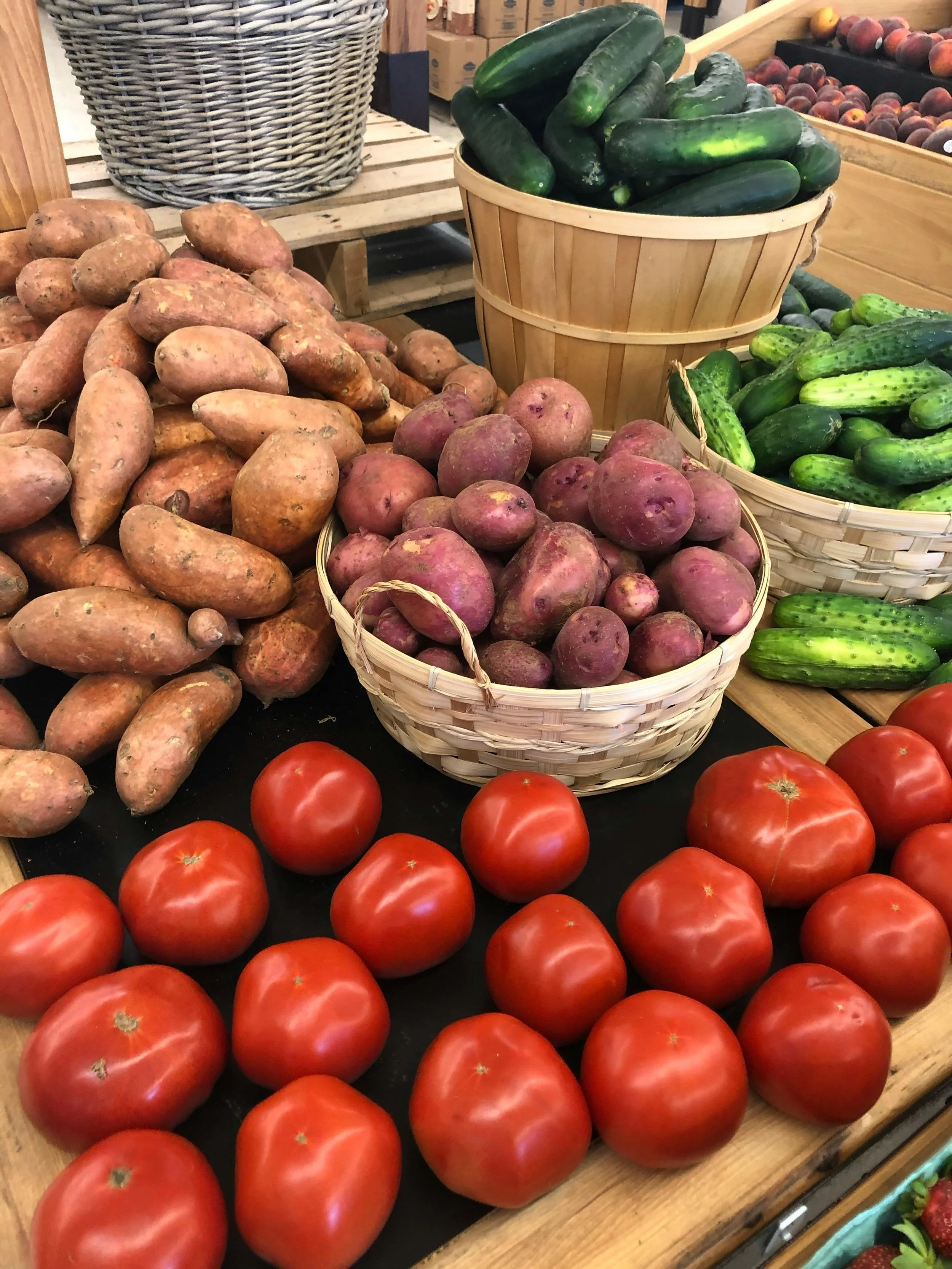
Fortunately, potassium is abundant in many delicious and nutritious foods. Most adults should aim for about 2,600 to 3,400 milligrams of potassium daily, though individual needs may vary. Incorporating these potassium-rich foods into your diet can help support vascular function naturally.
Bananas are perhaps the most famous potassium source, providing about 400 milligrams per medium fruit. They make an excellent snack and can easily be added to smoothies or oatmeal. Sweet potatoes deliver even more potassium, with a medium baked sweet potato containing over 500 milligrams, along with beneficial fiber and antioxidants. Leafy greens like spinach, Swiss chard, and kale are potassium powerhouses, offering additional benefits like vitamins and minerals that support vein health.
White beans, kidney beans, and lentils provide substantial potassium along with fiber and protein, making them excellent choices for heart and vein health. Avocados contain more potassium than bananas, plus healthy fats that support overall cardiovascular function. Potatoes with skin, tomatoes and tomato products, yogurt, and fish like salmon and halibut are also excellent sources.
For those looking to boost their intake, consider preparing meals that combine multiple potassium-rich foods. A spinach salad with white beans and avocado, or baked salmon with sweet potato and steamed broccoli, provides substantial potassium while supporting overall nutritional health for veins.
Integrating Potassium Into a Vein-Healthy Lifestyle
Supporting vascular function requires a comprehensive approach that goes beyond any single nutrient. While ensuring adequate potassium intake is important, it works best when combined with other healthy habits. Regular exercise that includes walking and strength training supports both circulation and muscle function. Maintaining a healthy weight reduces pressure on veins in the legs. Wearing compression stockings when recommended can support venous return. Avoiding prolonged sitting or standing gives veins a break from constant pressure.
A diet rich in potassium-containing foods naturally tends to be high in other beneficial nutrients as well. Fruits, vegetables, legumes, and whole grains provide not just potassium but also fiber, antioxidants, and anti-inflammatory compounds that all contribute to vascular health. This whole-foods approach to nutrition supports the entire circulatory system rather than focusing on isolated nutrients.
Taking Action for Better Vascular Health
If you're concerned about vein health or are experiencing symptoms like leg swelling, fatigue, or visible varicose veins, evaluating your potassium intake is a smart starting point. Track what you eat for a few days to see if you're getting enough potassium-rich foods. If your diet is heavy in processed foods and light on fruits and vegetables, you may benefit from making some adjustments.
Consider scheduling an evaluation with a vein specialist who can assess your vascular health comprehensively and provide personalized recommendations. They can help determine whether nutritional factors like potassium intake might be contributing to your symptoms and suggest appropriate dietary modifications alongside any necessary medical treatments.
Remember that while nutrition is powerful, it's part of a larger picture of vascular health. Potassium supports healthy blood pressure, reduces fluid retention, and promotes proper muscle function, all of which benefit your veins. By ensuring adequate intake of this essential mineral through a balanced, whole-foods diet, you're taking an important step toward maintaining healthy circulation and supporting your vascular system for years to come.
Elmore Medical Vein & Laser Treatment Center is the premier vein specialty medical practice in the Central Valley. Dr. Mario H. Gonzalez and his staff offer years of experience and medical expertise that you won’t find anywhere else. Contact us to set up a consultation appointment.