Goals to Improve Venous Well-being in the Coming Year
The start of a new year offers a perfect opportunity to refocus on health priorities, and venous well-being deserves a prominent place on that list. While many people set ambitious fitness or weight loss goals, few consider the health of their circulatory system specifically. Yet the veins that return blood to your heart play a crucial role in your overall wellness, affecting everything from leg comfort to cardiovascular function. Setting goals for better vein health doesn't require dramatic lifestyle overhauls. Instead, it involves thoughtful, sustainable changes that support healthy circulation and prevent vein-related problems before they develop.
Understanding Why Venous Health Goals Matter
Before diving into specific goals, it's worth understanding why venous health deserves dedicated attention. Your veins work constantly against gravity to return blood from your extremities back to your heart. This challenging task becomes even more difficult when veins are weakened by age, genetics, prolonged sitting or standing, excess weight, or other factors. When veins struggle to function properly, blood can pool in the legs, causing swelling, discomfort, and visible changes like varicose veins or spider veins.
The good news is that many aspects of vein health respond positively to lifestyle modifications. Unlike some health conditions that require primarily medical intervention, venous wellness benefits tremendously from daily habits and choices. This makes goal-setting particularly effective, as consistent small actions compound into significant improvements over time.
1. Establish a Consistent Movement Routine
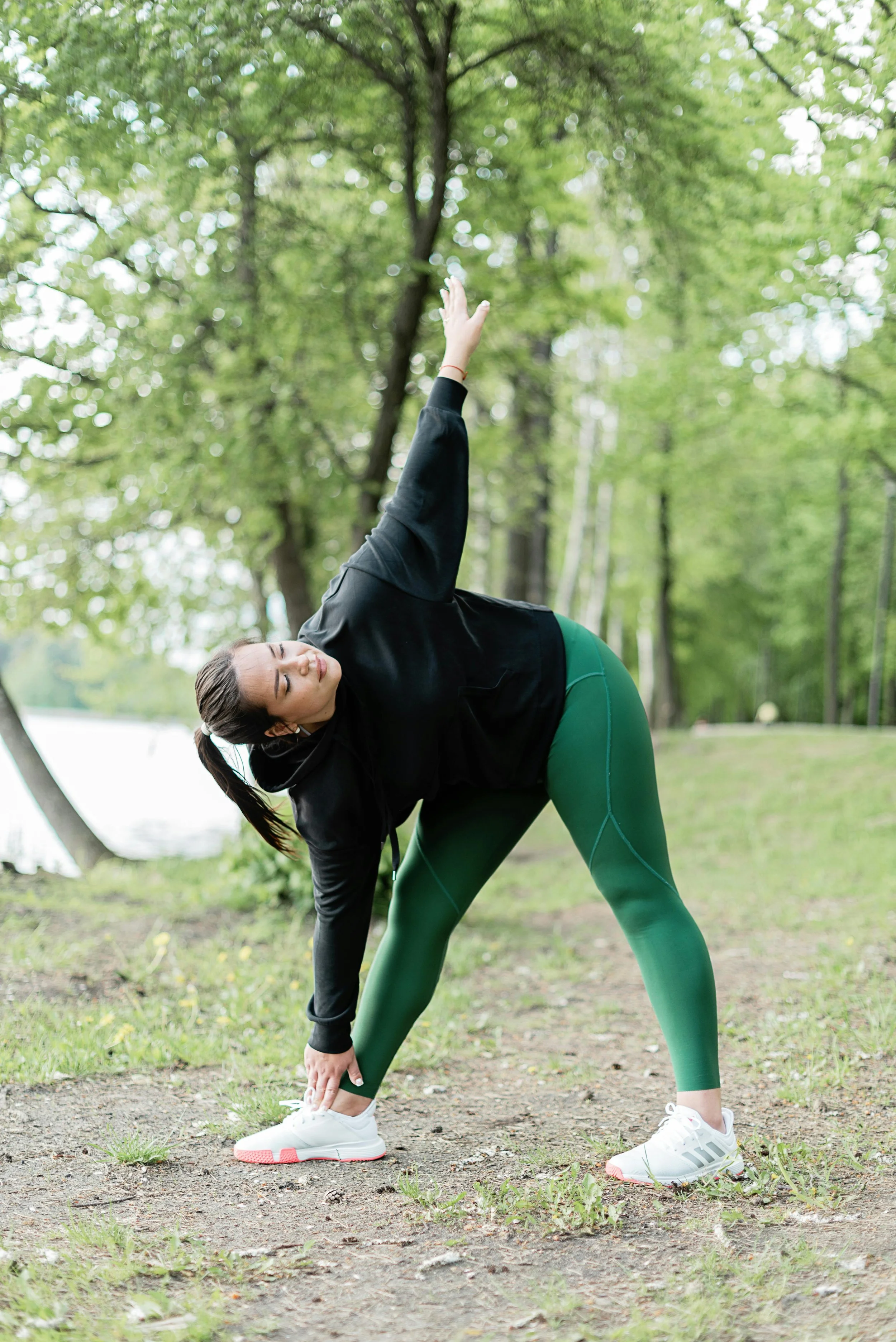
Perhaps the single most impactful goal for venous health is establishing regular movement throughout your day. The impact of sedentary lifestyles on vein health cannot be overstated. When you sit or stand still for extended periods, blood pools in your legs, placing strain on the vein walls and valves.
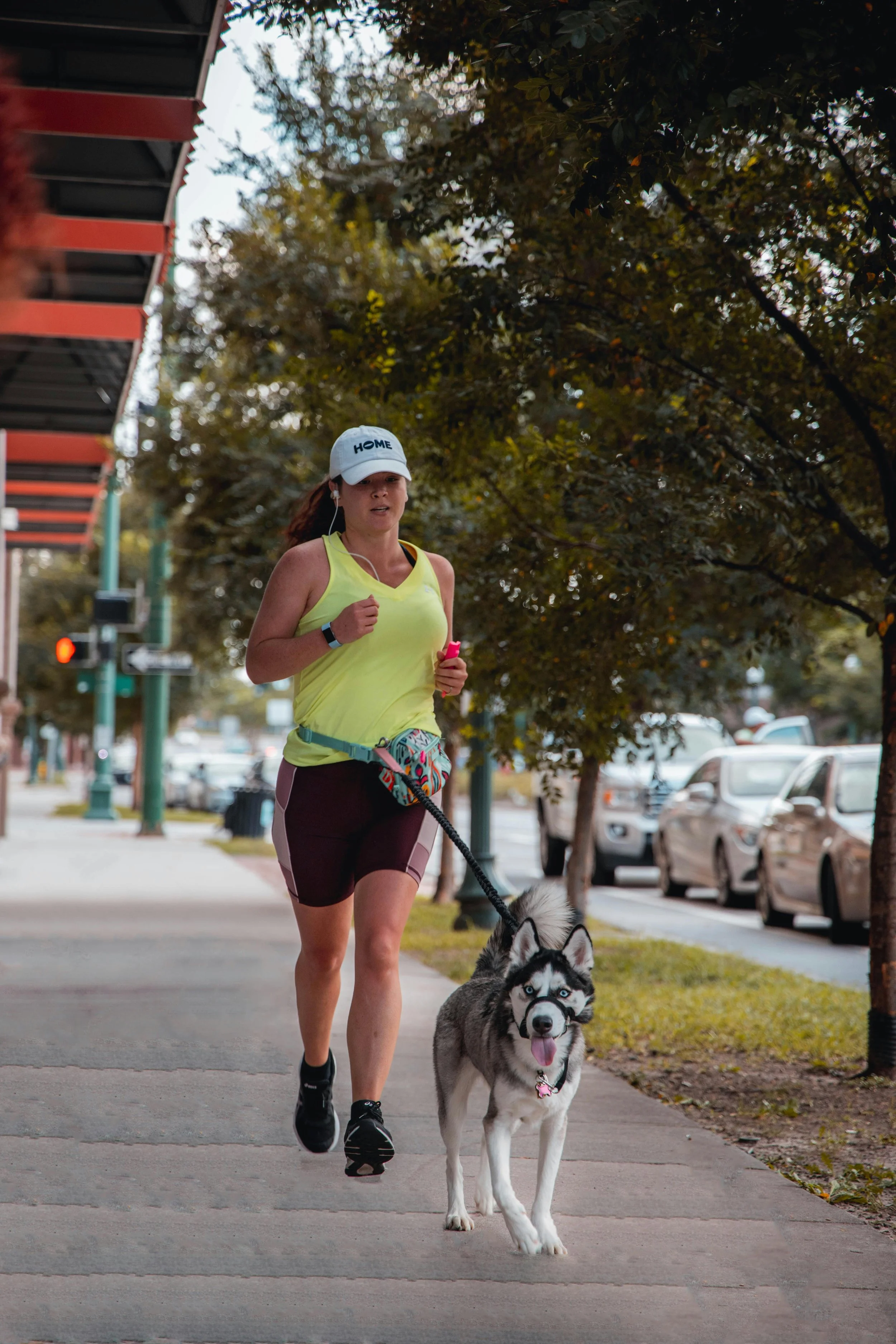
Rather than committing to an intense exercise program you may struggle to maintain, focus on consistent moderate movement. Walking for healthy veins is one of the most effective and accessible options. Set a goal to walk at least 30 minutes on most days of the week. If that feels overwhelming, start with 10 minutes after each meal and build from there.
Beyond dedicated walking time, incorporate movement breaks throughout your day. If you work at a desk, set a timer to remind yourself to stand and move every hour. Even simple activities like calf raises, ankle circles, or a quick walk around the office activate the muscle pump in your legs that supports venous return. For those who stand for long periods in jobs like retail or healthcare, the opposite applies. Make time to sit with your legs elevated whenever possible, giving your veins relief from constant gravitational pressure.
Consider adding activities that specifically target leg muscles and circulation. Swimming for vein health offers excellent benefits, as the water pressure naturally supports veins while you exercise. Yoga poses that enhance blood flow can be incorporated into morning or evening routines. Even cycling to work provides regular leg muscle engagement that supports circulation.
2. Achieve and Maintain a Healthy Weight
Weight management for vein health represents another crucial goal. Excess weight places additional pressure on leg veins, making it harder for blood to return to the heart. This increased pressure can damage vein valves over time, leading to chronic venous insufficiency and varicose veins.
Rather than pursuing rapid weight loss that's difficult to sustain, set a goal for gradual, steady improvement. Losing just 5 to 10 percent of your current body weight can significantly reduce pressure on your veins and improve symptoms if vein problems already exist. Focus on building sustainable habits rather than following restrictive diets. Small changes like reducing portion sizes, choosing whole foods over processed options, and increasing vegetable intake can lead to meaningful progress over months.
Combining weight management goals with increased physical activity creates a powerful synergy for vein health. The movement supports circulation directly while also contributing to weight loss, which further reduces vein strain. This interconnection means that progress in one area naturally supports the other, making both goals more achievable.
3. Improve Your Nutritional Foundation
The role of diet in preventing varicose veins extends beyond weight management to include specific nutrients that support vascular function. Setting nutrition-focused goals can strengthen vein walls, reduce inflammation, and improve overall circulation.
Make it a goal to increase your intake of foods rich in flavonoids and antioxidants. Berries, citrus fruits, and dark leafy greens contain compounds that strengthen blood vessel walls and improve circulation. Foods high in fiber support digestive health and prevent constipation, which is important because straining during bowel movements increases pressure on pelvic and leg veins.
Reducing sodium intake represents another valuable goal. Excessive salt consumption causes water retention, increasing blood volume and placing additional strain on veins. Aim to cook more meals at home using fresh ingredients rather than relying on processed foods, which tend to be very high in sodium. When you do use salt, consider switching to herbs and spices for most of your flavoring needs.
Staying properly hydrated supports vein function by maintaining optimal blood viscosity. Set a specific daily water intake goal based on your body weight and activity level. Many people find that keeping a water bottle nearby throughout the day makes this goal much easier to achieve.
4. Address Occupational Challenges
For many people, their work environment presents the biggest challenge to vein health. Whether you sit at a desk all day or stand in one place for hours, occupational factors significantly impact circulation. Setting specific goals to counteract these challenges can make a substantial difference.
If you have a desk job, commit to ergonomic improvements. Adjust your chair height so your feet rest flat on the floor with knees slightly lower than hips. Use a footrest if needed to achieve this position, which reduces pressure on leg veins. Set boundaries around taking regular movement breaks, even when work is busy. Consider requesting a standing desk or a sit-stand converter that allows you to alternate positions throughout the day.
For those who stand for work, focus on supportive footwear and compression support. Replace worn shoes regularly, prioritizing cushioning and arch support over style. Investigate whether compression stockings might benefit your situation. Many people in standing professions find that wearing graduated compression significantly reduces leg fatigue and swelling.
Make it a goal to practice good posture regardless of whether you sit or stand. Avoid crossing your legs, which restricts blood flow. When standing, shift your weight between legs periodically and do simple calf raises to engage your muscle pump.
5. Develop Better Evening Routines
The hours after work provide opportunities to support vein health through evening habits and routines. Setting goals around how you spend this time can help your veins recover from daily stresses.
Make leg elevation a regular part of your evening routine. Set a goal to spend at least 15 to 20 minutes with your legs raised above heart level. You can do this while watching television, reading, or using your phone. This simple practice helps blood drain from your legs and gives vein valves a break from working against gravity.
Consider incorporating cooling strategies for vein relief into your evenings, especially during warmer months. A cool shower or applying cool compresses to tired legs can reduce inflammation and provide immediate comfort. Some people find that cold showers or baths benefit vein health more broadly by improving circulation and reducing swelling.
Quality sleep contributes to healthy circulation, making it worth setting goals around sleep hygiene. Aim for seven to eight hours of sleep nightly, and consider sleeping with your legs slightly elevated by placing a pillow under your ankles. This subtle elevation can help reduce nighttime leg swelling and improve morning comfort.
Creating Your Personal Action Plan
The most effective goals are specific, measurable, and realistic. Rather than trying to implement all these suggestions at once, choose two or three priorities to focus on initially. Write down your goals, including specific actions you'll take and how you'll measure progress. For example, rather than "exercise more," commit to "walk 30 minutes five days per week" or "take movement breaks every hour during work."
Schedule regular check-ins with yourself to assess progress and adjust as needed. Some goals may need to be modified based on what you learn about your body's responses. Others may become habits quickly, allowing you to add new challenges.
Consider tracking symptoms like leg swelling, fatigue, or discomfort. Many people are surprised to discover how quickly symptoms improve once they implement consistent vein-healthy habits. This positive feedback reinforces motivation and makes it easier to maintain new routines.
Moving Forward With Confidence
Improving venous well-being doesn't require perfection. It requires consistency and commitment to making choices that support your veins most days. Some days will be easier than others. What matters is returning to your healthy habits after interruptions rather than abandoning your goals entirely.
The veins in your legs have been working hard for years, often without much consideration or support. By setting thoughtful goals and following through with action, you give your vascular system the care it needs to function optimally. The coming year offers 365 opportunities to make choices that support healthy circulation. Start with one goal, build on your success, and contact a vein specialist if you need guidance tailored to your specific situation. Your veins will thank you for the attention.
Elmore Medical Vein & Laser Treatment Center is the premier vein specialty medical practice in the Central Valley. Dr. Mario H. Gonzalez and his staff offer years of experience and medical expertise that you won’t find anywhere else. Contact us to set up a consultation appointment.