Can Cold-Water Therapy Benefit Your Veins?
Cold-water therapy has surged in popularity, with everyone from elite athletes to wellness enthusiasts touting its benefits. Ice baths, cold plunges, and cold showers have become common recovery tools, praised for reducing inflammation, improving mood, and boosting overall health. But what about their effects on vein health specifically? Can exposing your legs to cold water help with varicose veins, swelling, or circulation problems? The relationship between cold water and vascular function is more nuanced than social media trends might suggest, involving both potential benefits and important considerations.
Understanding How Cold Affects Blood Vessels
To appreciate cold-water therapy's impact on veins, it helps to understand the body's response to cold exposure. When skin encounters cold water, blood vessels near the surface constrict in a process called vasoconstriction. This narrowing of blood vessels is the body's protective mechanism to preserve core temperature by reducing blood flow to the extremities. The role of body temperature regulation in vein function demonstrates how the vascular system constantly adapts to environmental conditions.
Following cold exposure, once you warm up again, blood vessels dilate in what's sometimes called reactive hyperemia. This alternating pattern of constriction and dilation essentially creates a pumping effect that can temporarily improve circulation. The cold also triggers the body to move blood more actively from the periphery toward vital organs, engaging circulatory mechanisms that might otherwise be sluggish.
For veins specifically, the temporary constriction can help reduce the diameter of dilated vessels and decrease the amount of blood pooling in the lower extremities. This is particularly relevant for people dealing with varicose veins or chronic venous insufficiency, conditions characterized by enlarged veins and blood pooling in the legs.
Benefits of Cold-Water Therapy for Vein Health
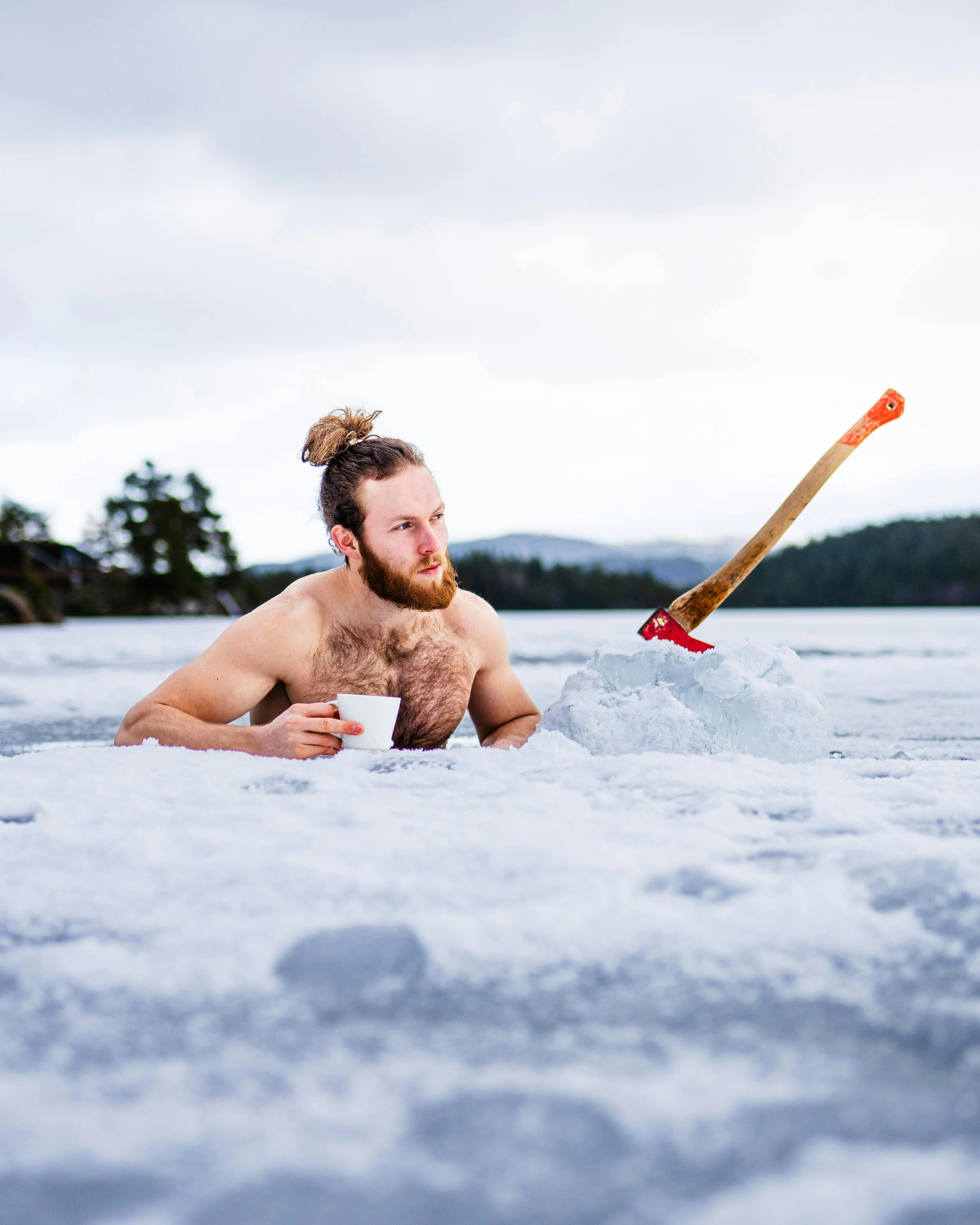
The most immediate and noticeable benefit of cold-water exposure for veins is a reduction in swelling and inflammation. When legs feel heavy, swollen, or uncomfortable after a long day, cooling strategies for vein relief can provide significant comfort. The cold causes blood vessels to temporarily contract, reducing fluid accumulation in tissues and easing the sensation of heaviness.
For people with varicose veins, cold water can offer symptomatic relief even though it doesn't address the underlying valve dysfunction causing the condition. Many patients report that their legs feel lighter and less achy after cold exposure. This makes sense given that managing leg swelling and discomfort often involves reducing the volume of blood and fluid in the lower legs, which cold water temporarily accomplishes.
The anti-inflammatory effects of cold therapy extend beyond the immediate vascular response. Cold exposure activates the body's anti-inflammatory pathways, potentially reducing chronic inflammation that can contribute to vascular problems. While this won't cure vein disease, it may help manage symptoms and improve overall comfort. Athletes have long used ice baths for recovery, and similar principles apply to venous health, though the mechanisms differ slightly.
Cold water can also stimulate circulation in a beneficial way. The cycle of constriction during cold exposure followed by dilation during warming creates a kind of vascular exercise. This alternating pattern may help improve the tone of blood vessel walls over time, though more research is needed to confirm long-term vascular benefits specifically for veins.
Practical Applications and Methods
If you're interested in trying cold-water therapy for vein health, several approaches exist, ranging from mild to intense. Cold showers and baths for vein health represent the most accessible starting point for most people.
Cold showers offer a gentle introduction to cold-water therapy. You don't need to stand under ice-cold water for extended periods to see benefits. Many people start by finishing their regular warm shower with 30 seconds to two minutes of cool or cold water directed at their legs. This can be gradually increased as tolerance develops. The key is consistency rather than intensity. Even moderately cool water triggers vasoconstriction and can provide relief for tired, swollen legs.
Cold foot and leg baths provide targeted treatment without the full-body shock of a cold shower. Fill a tub or large basin with cold water, adding ice if desired, and immerse your feet and lower legs for 10 to 15 minutes. This approach works particularly well in the evening after a long day of standing or sitting. It's also practical for people who find full cold showers too uncomfortable or who have conditions that make whole-body cold exposure inadvisable.
Ice baths or cold plunges involve immersing the lower body or entire body in very cold water, typically around 50 to 59 degrees Fahrenheit. While popular among athletes, this intensity isn't necessary for vein health benefits and can be uncomfortable or even risky for some individuals. If you do try ice baths, start with warmer temperatures and shorter durations, gradually building tolerance.
Contrast therapy alternates between warm and cold water exposure, creating a more pronounced pump effect on circulation. For veins, you might alternate two minutes of warm water with one minute of cold water, repeating this cycle several times. This approach can be particularly effective for improving circulation and reducing swelling, though it requires more time and effort than simple cold exposure.
Important Limitations and Considerations
While cold-water therapy offers symptomatic relief, it's crucial to understand what it cannot do. Cold exposure does not repair damaged vein valves or reverse the structural changes that cause varicose veins. Think of it as a management tool rather than a cure. Someone with significant venous insufficiency will still need medical treatment even if cold therapy provides temporary comfort.
The benefits of cold-water therapy are temporary. Once your body returns to normal temperature, veins will return to their usual size, and any relief from swelling or discomfort will gradually diminish. This doesn't diminish the value of cold therapy, but it means you need consistent application to maintain benefits. It's not a one-time fix but rather an ongoing management strategy.
Some people should avoid or significantly modify cold-water therapy. Those with Raynaud's disease, where cold temperatures cause excessive vasoconstriction in fingers and toes, may find that cold water worsens their symptoms. People with peripheral artery disease, where arteries are narrowed and blood flow is already compromised, should be very cautious with cold exposure that further reduces blood flow. Anyone with cardiovascular conditions should consult their doctor before starting cold-water therapy, as the shock of cold water can affect heart rate and blood pressure.
Cold weather and blood circulation present different challenges than controlled cold-water therapy. Prolonged exposure to cold environmental temperatures without proper protection can actually harm circulation, even though brief, controlled cold exposure may benefit it. Understanding this distinction is important.
Combining Cold Therapy with Other Vein Health Strategies
Cold-water therapy works best as part of a comprehensive approach to vein health rather than as a standalone treatment. Combining it with other evidence-based strategies maximizes benefits and addresses vein health from multiple angles.
Regular walking and exercise remains one of the most effective ways to support vein health long-term. The muscle pump action from physical activity moves blood through veins far more effectively than any passive therapy. Using cold water after exercise can help with recovery and reduce any swelling from activity.
Compression therapy provides sustained support for veins throughout the day, while cold water offers acute relief. Many people find that wearing compression stockings during the day and using cold water therapy in the evening creates a complementary routine.
Leg elevation works through gravity to reduce pressure on veins, and combining elevation with cold therapy can be particularly effective. Try elevating your legs while they're in cold water, or elevate them immediately after cold water exposure while they're still experiencing the beneficial effects of vasoconstriction.
Maintaining a healthy weight and eating a diet rich in anti-inflammatory foods addresses vein health from a systemic perspective. No amount of cold water will overcome the strain that excess weight places on leg veins, but cold therapy can certainly help manage symptoms while you work on other aspects of vein health.
When to Seek a Professional Evaluation
Cold-water therapy can complement medical treatment but shouldn't replace professional evaluation when it's needed. If you're using cold therapy to manage leg symptoms, but those symptoms persist or worsen despite consistent application, it's time to see a vein specialist.
Warning signs that warrant professional evaluation include persistent leg swelling that doesn't improve with elevation or cold therapy, visible bulging or twisted veins, skin changes like discoloration or texture changes around the ankles, leg pain or cramping that interferes with daily activities, or sudden onset of swelling, warmth, and pain in one leg, which could indicate a dangerous blood clot.
Modern vein treatments have advanced significantly, offering minimally invasive options that address underlying vein problems rather than just managing symptoms. Treatments like sclerotherapy, laser ablation, and radiofrequency closure can correct the valve dysfunction causing varicose veins, providing long-term solutions that cold therapy alone cannot achieve.
The Bottom Line on Cold Therapy for Veins
Cold-water therapy offers genuine benefits for vein health, primarily through reducing inflammation, decreasing swelling, and providing symptomatic relief. The science supports its use as a complementary strategy for managing vein-related discomfort and temporarily improving circulation. However, it's not a cure for underlying vein disease and works best when combined with other proven approaches like exercise, compression, and, when necessary, professional treatment.
The accessibility and low cost of cold-water therapy make it worth trying for most people dealing with leg discomfort or mild vein issues. You can start today with nothing more than your shower, adjusting the temperature for the last minute of your routine. If you find relief, you can build from there, perhaps adding evening foot baths or other methods.
Remember that vein health requires a multifaceted approach. Cold water is one tool in your toolkit, useful for specific purposes but not a complete solution on its own. Listen to your body, start gradually, and don't hesitate to consult with healthcare providers about whether cold-water therapy is appropriate for your individual situation and how it might fit into a comprehensive vein health strategy.
Elmore Medical Vein & Laser Treatment Center is the premier vein specialty medical practice in the Central Valley. Dr. Mario H. Gonzalez and his staff offer years of experience and medical expertise that you won’t find anywhere else. Contact us to set up a consultation appointment.