The Truth About Vein Stripping: Is It Still Performed Today?
For decades, vein stripping was the gold standard surgical approach for treating problematic varicose veins. The procedure involved making incisions in the leg, threading a wire through the diseased vein, and physically pulling it out of the body. While effective at removing the troublesome vein, the surgery came with significant drawbacks, including general anesthesia requirements, hospital stays, visible scarring, lengthy recovery periods, and considerable post-operative pain.
Today, patients researching varicose vein treatment options often hear about vein stripping and wonder whether it's still a common procedure. The short answer is that vein stripping has been largely replaced by modern, minimally invasive techniques that offer superior outcomes with dramatically reduced recovery times. However, understanding why this shift occurred helps patients appreciate the advanced treatments now available.
Why Vein Stripping Fell Out of Favor
Traditional vein stripping surgery required patients to undergo general anesthesia and often involved overnight hospital stays. The procedure left noticeable scars where incisions were made, typically near the groin and knee or ankle. Recovery could take several weeks, during which patients experienced significant bruising, pain, and swelling. Many people needed prescription pain medication and had to take an extended time off work.
Beyond the invasive nature of the surgery, vein stripping also had a relatively high recurrence rate. Studies showed that varicose veins would return in a substantial percentage of patients within five to ten years following the procedure. This happened because while the main diseased vein was removed, the underlying venous insufficiency that caused the problem in the first place often wasn't fully addressed.
As medical technology advanced throughout the 1990s and early 2000s, physicians began developing catheter-based treatments that could seal veins from the inside rather than surgically extracting them. These innovations fundamentally changed the landscape of vein care.
Modern Alternatives to Vein Stripping
Today's vein treatments are performed in outpatient settings using only local anesthesia. Most procedures take less than an hour, and patients walk out of the office immediately afterward. Here are the primary techniques that have replaced traditional vein stripping:
Endovenous Laser Therapy
Endovenous laser therapy, commonly known as EVLT, uses laser energy delivered through a thin fiber inserted into the diseased vein. The laser heats the vein wall, causing it to collapse and seal shut. Over time, the body naturally absorbs the closed vein and reroutes blood through healthier vessels. The procedure requires only a tiny incision, leaves virtually no scarring, and allows patients to return to normal activities within a day or two.
Radiofrequency Ablation
Similar in concept to laser therapy, radiofrequency ablation uses controlled thermal energy to close problematic veins. A specialized catheter delivers precise heating to the vein walls, resulting in permanent closure. Patients often report less post-procedure discomfort with this method compared to older surgical approaches.
Sclerotherapy
For smaller varicose veins and spider veins, sclerotherapy offers an excellent non-surgical solution. This treatment involves injecting a special solution directly into the vein, causing it to collapse and fade over several weeks. Many patients dealing with visible leg veins find sclerotherapy to be a quick and effective option with minimal downtime. The technique has been used for decades but has been refined significantly with improved solutions and ultrasound guidance.
Ambulatory Phlebectomy
When surface varicose veins are too large for sclerotherapy but too superficial for catheter-based treatments, ambulatory phlebectomy provides another minimally invasive option. Through tiny punctures in the skin, the physician removes portions of the problematic vein using specialized hooks. The incisions are so small they typically don't require stitches and heal with minimal scarring.
Comparing Recovery: Then and Now
The difference in recovery between traditional vein stripping and modern treatments is dramatic. After vein stripping surgery, patients typically faced:
Two to four weeks before returning to work
Six weeks or more before resuming exercise
Significant bruising lasting several weeks
Need for prescription pain medication
Risk of nerve damage and infection
Visible scarring at incision sites
With today's minimally invasive procedures, patients generally experience:
Return to work within one to two days
Resume most activities immediately
Mild bruising that resolves quickly
Minimal discomfort manageable with over-the-counter medication
Extremely low risk of complications
No visible scarring
The advancement in treatment methodology has transformed the patient experience from a major surgical event to a quick outpatient procedure that barely interrupts daily life.
Is Vein Stripping Ever Still Performed?
While rare, there are occasional circumstances where vein stripping might still be considered. These situations typically involve:
Extremely large or tortuous veins that cannot be treated with catheter-based methods
Recurrent varicose veins following previous treatments where anatomy makes other approaches impossible
Geographic areas where advanced vein treatment technology is unavailable
Specific patient factors that preclude minimally invasive options
Even in these uncommon scenarios, many vein specialists have developed techniques to avoid traditional stripping surgery. The vast majority of patients with venous insufficiency can be treated successfully with modern minimally invasive approaches.
Understanding Your Vein Treatment Options
If you're dealing with varicose veins, understanding the different types of vein conditions is an important first step. Not all vein problems require the same treatment approach. A thorough evaluation by a vein specialist includes ultrasound imaging to map the venous system and identify which veins are functioning poorly.
During your consultation, your physician will explain which treatment options are best suited for your specific situation. Factors that influence the treatment recommendation include the size and location of affected veins, the severity of symptoms, your overall health status, and your personal preferences regarding recovery time.
Most insurance plans cover medically necessary vein treatments when varicose veins are causing symptoms such as pain, swelling, skin changes, or ulcers. Purely cosmetic concerns may not be covered, so discussing insurance and vein treatment with your provider's office before scheduling procedures is advisable.
Why Modern Vein Care Matters
The evolution from vein stripping to today's advanced treatments represents more than just technological progress. It reflects a fundamental shift in how the medical community approaches venous disease. Rather than viewing varicose veins as purely a cosmetic nuisance requiring major surgery, physicians now understand these conditions as a progressive medical issue that can be effectively managed with minimally invasive interventions.
Early treatment of vein problems prevents complications and improves quality of life. Many people delay seeking care because they remember stories from parents or grandparents who underwent painful vein stripping procedures. Understanding that modern treatments are completely different can encourage people to address their vein concerns sooner rather than later.
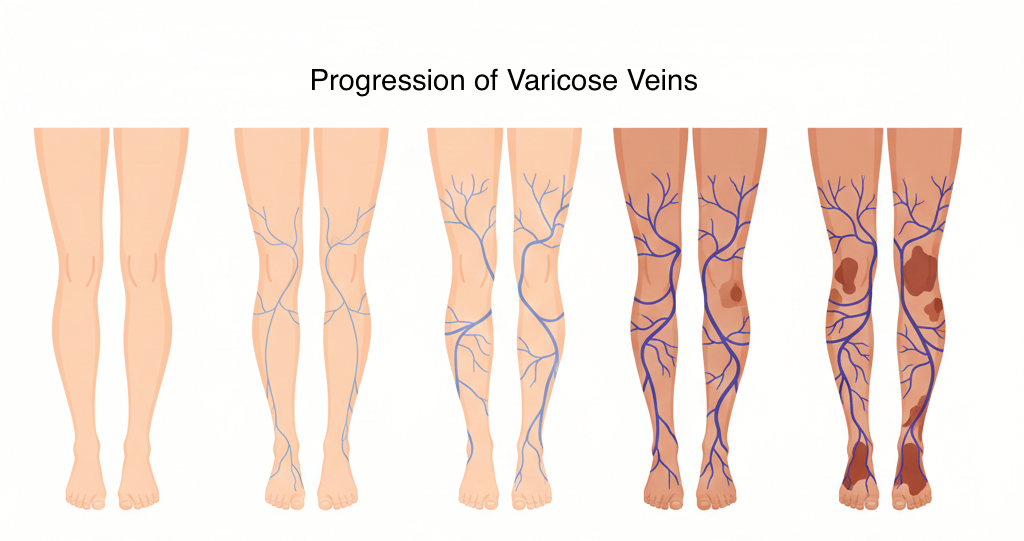
The dangers of not treating varicose veins extend beyond appearance. Untreated venous insufficiency can progress to skin changes, inflammation, and even ulcers that are difficult to heal. The minimally invasive nature of current treatments makes addressing these issues straightforward and accessible.
Moving Forward With Confidence
If you're concerned about varicose veins or other vein conditions, the message is clear: you have excellent treatment options available that bear no resemblance to the vein stripping surgery of the past. Modern vein care is safe, effective, and designed with patient comfort and convenience in mind.
The first step is scheduling a consultation with a qualified vein specialist who can evaluate your specific situation and recommend the most appropriate treatment approach. With today's advanced techniques, addressing your vein concerns doesn't have to mean facing major surgery or extended recovery.
Elmore Medical Vein & Laser Treatment Center is the premier vein specialty medical practice in the Central Valley. Dr. Mario H. Gonzalez and his staff offer years of experience and medical expertise that you won’t find anywhere else. Contact us to set up a consultation appointment.