Why Your Legs Cramp at Night and What It Could Mean
Many people have had the experience of being jolted awake by a calf that suddenly locks up. The pain can be sharp enough to leave you limping to the edge of the bed, and it may severely disrupt your sleep. Nighttime leg cramps, sometimes called nocturnal leg cramps or a charley horse, are among the most common complaints we hear from Central Valley patients, and they can grow more common with increasing age.
Patients usually arrive with a fair question: are my cramps coming from my veins? Sometimes they are. But leg cramps have a long list of possible causes, and even after a careful evaluation, there are times when no single explanation stands out. Here is what is worth knowing, and what is worth trying.
What Happens During a Cramp
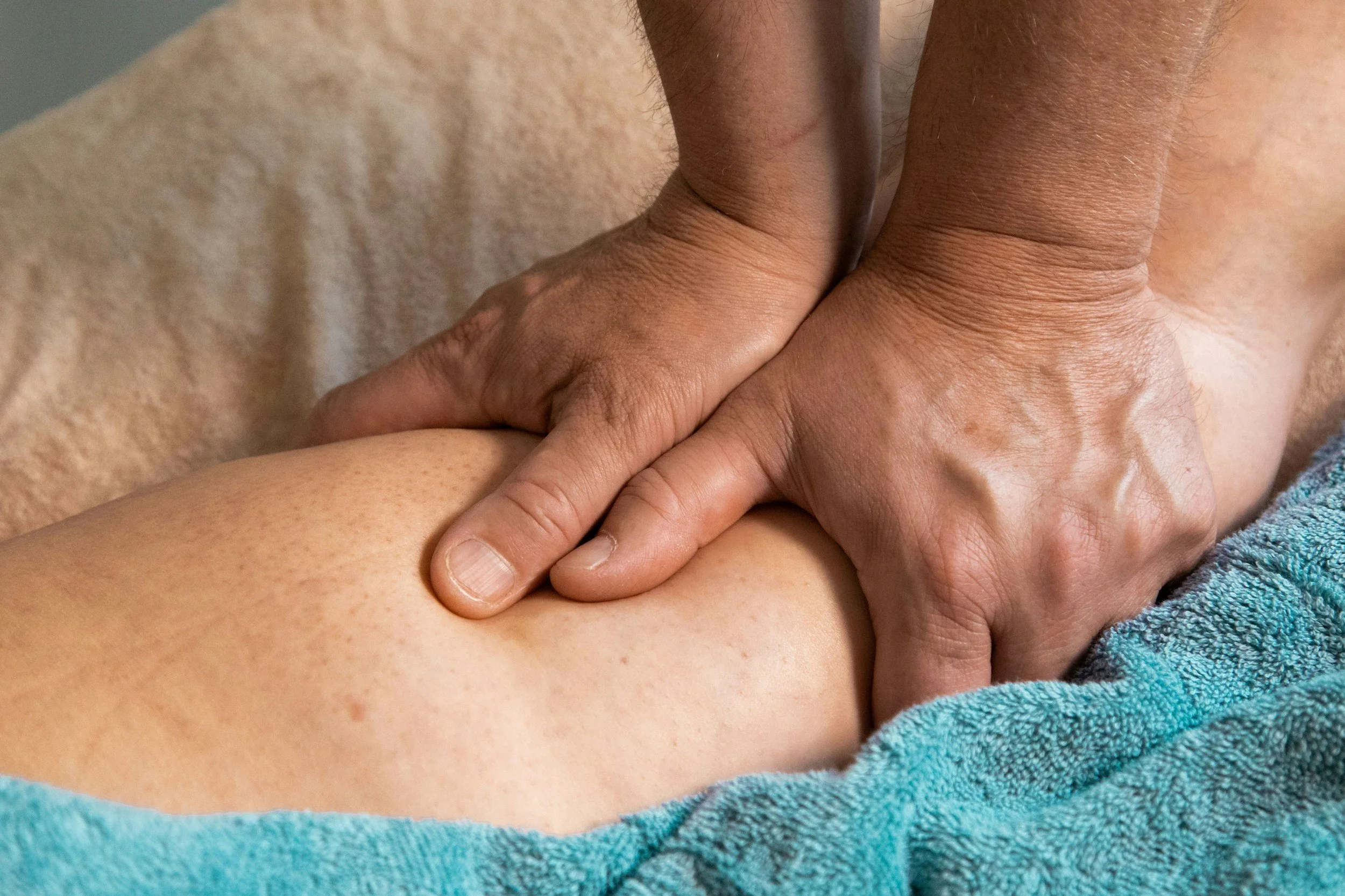
A cramp is an involuntary, sustained contraction of a muscle, most often in the calf, foot, or hamstring. It tightens on its own, holds for seconds to a few minutes, then releases. Researchers believe many cramps begin in the nerves signaling the muscle rather than in the muscle itself. That helps explain why cramps strike while you are completely at rest, and why gentle stretching, which quiets those nerve signals, tends to break a cramp faster than anything else. Cramps are also distinct from restless legs syndrome, which creates an urge to move rather than a locked muscle, though the two can overlap in people with vein disease.
Where Your Veins Fit In
When leg veins stop moving blood efficiently back toward the heart, blood pools in the lower legs. That is the core problem in chronic venous insufficiency, and it changes the environment your muscles and nerves work in: pressure rises inside the veins, fluid leaks into surrounding tissue, and waste products clear more slowly. Many patients with venous insufficiency report cramping, restlessness, and aching at night, and those symptoms often improve once the underlying vein problem is treated. Cramping is easy to dismiss, which is why it appears on our list of hidden symptoms of vein disease.
Your cramps are more likely to be vein related if they keep company with:
Legs that feel heavy, tired, or achy by the end of the day
Ankle or calf swelling that worsens in the evening and improves overnight
Visible varicose or spider veins
Itching or burning sensation, especially around visible veins
Skin changes or discoloration in the lower leg or ankle
Symptoms that ease with leg elevation or compression
Restless, jumpy legs that make it hard to fall asleep, a pattern covered in our post on how varicose veins can alter your sleep
The Other Usual Suspects
Vein disease is one item on a long list. Dehydration is a frequent contributor during hot summers, since fluid and mineral shifts affect how nerves fire and muscles contract, and thicker blood circulates less efficiently. That is also one of the reasons hydration matters so much for vein health. Medications including diuretics, statins, and some blood pressure drugs list cramps among their side effects, so let your doctor know if leg cramps began shortly after starting a new prescription. Nerve conditions such as diabetic neuropathy, sciatica, and spinal stenosis can produce cramping and night pain, usually with burning or numbness alongside it. Pregnancy brings cramps in the later trimesters as blood volume rises and pelvic veins are compressed.
One cause deserves separate mention. Peripheral artery disease reduces blood flow into the legs rather than out of them, and its hallmark is calf pain that appears while walking and eases within minutes of rest. Because the treatments differ entirely, it helps to understand the differences between arterial and venous insufficiency.
When There Is No Clear Answer
In many cases, night cramps are called idiopathic, meaning no specific cause turns up even after a thorough workup. The veins look healthy on ultrasound, the lab results are normal, and the medication list does not include medications that can cause cramping. That is frustrating, but not a dead end. The goal shifts from finding one culprit to reducing how often cramps happen.
Which Remedies Are Worth Your Time
Ask ten people and you will hear ten cures. An honest accounting:
Nightly gentle calf and hamstring stretches have the best track record of anything on this list, and they cost nothing.
Pickle juice or mustard may work through activating a reflex in the mouth and throat rather than by replacing electrolytes, since relief arrives faster than absorption allows.
Magnesium has been largely disappointing for idiopathic cramps, with somewhat better evidence for cramps that occur during pregnancy. Anecdotally, it seems to help some individuals who take it for leg cramps. Ask your physician first, particularly with reduced kidney function.
Reducing alcohol consumption may be helpful for preventing cramps.
Hydrating with an electrolyte replacement drink after exercise may help prevent leg cramps.
Sleeping with looser, untucked bed sheets that do not prevent leg movement at night may be worth a try.
Moderate physical activity may lead to fewer leg cramps; both intense physical exercise and being too sedentary have been associated with leg cramps.
Quinine is an older medication that was used in the past for leg cramps. It is no longer recommended, and in fact should be avoided. The FDA has warned against quinine for leg cramps because of serious blood and heart risks, among other potential side effects.
Steady hydration, evening leg elevation, loose bedding at the foot of the bed, and regular walking to engage the calf muscle pump all help more than most bottled solutions. If compression has been recommended for you, our guide to compression stockings and how to use them explains the basics.
When to Get Evaluated
Call a provider promptly for sudden swelling, warmth, or pain in one leg, which can signal deep vein thrombosis. Schedule an evaluation for cramps that disrupt your sleep most nights, calf pain that reliably appears with walking, skin discoloration or an open sore near the ankle, or persistent leg pain and fatigue.
A vein evaluation is painless. We review your symptoms, examine your legs, and use duplex ultrasound to see whether your valves are letting blood flow backward. If we find venous reflux, treatments ranging from compression to minimally invasive ablation can relieve the pressure behind your symptoms. If your veins are healthy, that answer is useful too, since it points you toward the other possibilities.
If cramping is costing you sleep, schedule a consultation to find out if vein disease is part of the problem.
Elmore Medical Vein & Laser Treatment Center is the premier vein specialty medical practice in the Central Valley. Dr. Mario H. Gonzalez and his staff offer years of experience and medical expertise that you won’t find anywhere else. Contact us to set up a consultation appointment.