How Running Impacts Your Veins: Benefits and Precautions
Runners tend to hear two contradictory things about their legs. One version says running is among the best things you can do for circulation. The other says all that pounding is why your calves ache and those bulging veins keep appearing. Both versions contain a grain of truth.
The honest answer is that running can be beneficial for your circulation, and that it can also contribute to problems with your veins. For some people, both of these things are true at the same time.
What Running Actually Does for Your Circulation
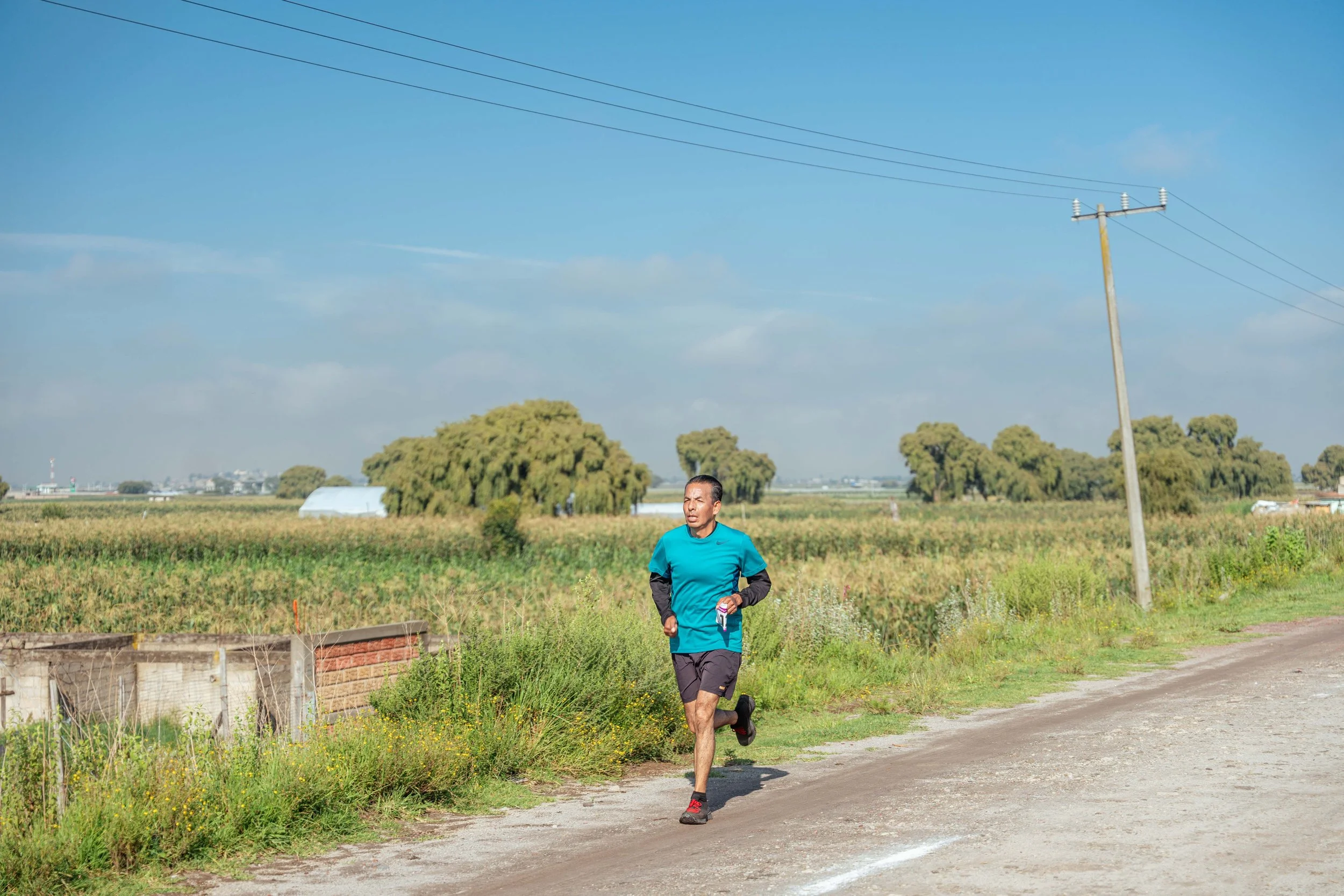
Blood inside the veins that returns to the heart from your legs is traveling against gravity, and it relies mainly on your calf muscles to move it. Each stride or step forward contracts the calf and squeezes the deep veins, driving blood upward while one-way valves prevent backflow. A runner's calf pump is typically strong and efficient, which is a real advantage. Regular running also supports healthy body weight, blood pressure, and blood sugar, all of which reduce strain on the venous system over a lifetime.
None of that is unique to running. The same mechanism explains why regular walking improves circulation and vein function, and why staying active in general is standard advice for anyone with vein concerns. Running is one of several forms of physical activity that can provide these benefits. Furthermore, running can improve circulation in your arterial system, which transports blood in the opposite direction from veins in the body.
Where the Precautions Come In
Many different risk factors can play a part in the development of vein disease, including genetics, hormones, pregnancy history, and age. Over a long time frame, certain activities like prolonged standing and sitting can also contribute to rising pressure inside the veins, which can end up damaging the one-way valves in the veins and causing backwards venous blood flow. Theoretically, running (especially pounding on hard surfaces) could contribute to the weakening of the valves inside the vein. Regardless of what initially kicked off venous disease, running can raise pressure inside veins that are already struggling and make existing problems more noticeable.
It’s important to realize that swelling, tightness, or fatigue in the calf can sometimes come from the veins rather than the muscles. Runners may be prone to shrugging off symptoms as normal training soreness, which is exactly how a treatable problem goes unaddressed for years. Broader guidance on preventing and treating vein issues in athletes is worth a read if you train seriously.
Signs Your Legs Deserve a Closer Look
Ordinary post-run soreness usually fades within a day or two and improves with easy movement. The following patterns are different, and they point toward possible venous disease.
Heaviness that builds through the day, especially on days you did not run at all.
Swelling around the ankles that leaves a sock mark, particularly if it is worse on one leg than the other.
Visible changes, including bulging ropey veins or a large cluster of spider veins somewhere on the legs.
Night cramping, restless legs, or itching that has become routine.
Sudden calf pain, swelling or color change, which needs urgent medical attention rather than a rest day as it could indicate a DVT.
Any of these deserve a professional opinion. Continuing to train through them rarely resolves anything.
Four Ways to Run in a Vein-Friendly Way
If you love running, the goal is not to stop. It is to reduce the pressure your veins absorb and give them help recovering.
1. Build Mileage Gradually
Sudden jumps in volume or intensity stress connective tissue and veins alike. Increase weekly distance in small increments and keep at least one genuinely easy day between hard efforts. If you are ramping toward a race, the cautions in preparing for marathons safely apply year round, not just in spring.
2. Use Compression With Intention
Graduated knee high compression socks can reduce swelling and the heavy feeling that follows long runs, and many runners find recovery more comfortable with them. Grade and fit matter more than brand, so review how to choose compression stockings or ask a clinician what level suits you.
3. Drink Enough, Especially in Heat
Dehydration thickens blood and makes circulation less efficient, and long runs in warm weather drain fluid faster than most people replace it. The basics of why hydration is essential for healthy veins apply doubly to endurance athletes.
4. Cross-Train in Low-Impact Ways
Trading one running day for time in the pool gives your calf pump plenty of work without the impact, and the water pressure itself helps push fluid up out of the legs. That is part of why swimming suits vein health so well. Cycling and elliptical work serve a similar purpose.
Small adjustments like these usually let people keep running rather than give it up.
The Bottom Line
Overall, running is a friend to your veins. It strengthens the pump that keeps blood moving and supports the broader health of your circulatory system. What it cannot do is fix a valve that no longer closes, and it could make that underlying problem worse.
If you have leg symptoms like aches and swelling, it’s a good idea to get an evaluation of your veins. A vein evaluation uses painless ultrasound to show how blood is actually flowing, and most people who get one find they can return to training with a clear plan instead of a nagging question.
Elmore Medical Vein & Laser Treatment Center is the premier vein specialty medical practice in the Central Valley. Dr. Mario H. Gonzalez and his staff offer years of experience and medical expertise that you won’t find anywhere else. Contact us to set up a consultation appointment.