The Connection Between Arthritis and Vein Problems
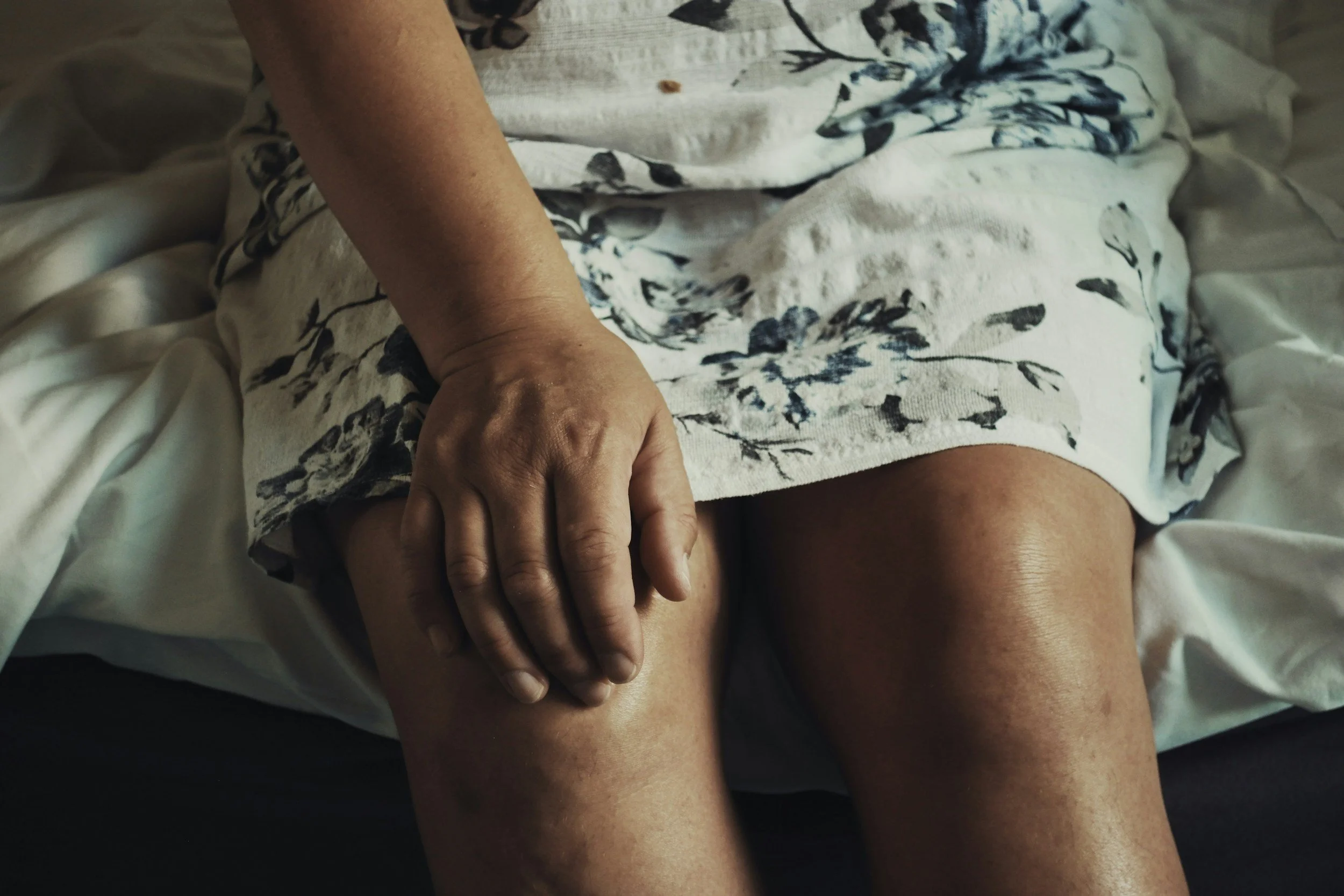
If your legs ache at the end of the day, feel heavy on the stairs, and swell around the ankles, arthritis is often the first explanation that comes to mind. It is a reasonable guess. Joint pain is common, and it tends to get blamed for most leg discomfort after a certain age. But there is a second system running through the same legs, and it produces a strikingly similar set of complaints.
Veins and joints are neighbors. They share the same muscles, the same movement patterns, and often the same inflammatory background. Understanding where the two overlap can spare you months of treating one problem while the other quietly progresses. Here is how arthritis and venous disease interact, how to tell their symptoms apart, and what you can do to protect both.
Why Joints and Veins Influence Each Other
When you’re standing or sitting, blood in your legs has to travel “uphill” to get back to your heart, and it does not get much help from the heart itself. The work is done mostly by your calf muscles. Every step you take squeezes the deep veins and pushes blood upward, while one-way valves keep it from sliding back down. Doctors sometimes call this the calf muscle pump, and it works best when you can bend your ankles and knees freely.
Arthritis can interfere with the action of the calf muscle pump. A stiff ankle shortens your stride. A painful knee makes you walk less and sit more. When the calf muscle does less pumping, blood pools in the lower legs, and as a result, pressure builds inside the veins. Over time, this elevated pressure can stretch vein walls and damage valves.
Going in the other direction, swollen, heavy legs can make people less willing to move, which is not ideal for an arthritic joint. There is also a shared chemical thread. Many forms of arthritis are inflammatory conditions, and systemic inflammation damages veins by irritating the vessel lining and encouraging swelling in surrounding tissue. The two conditions can quietly reinforce each other.
Telling the Two Kinds of Leg Pain Apart
No symptom list replaces an exam, but the patterns are genuinely different, and paying attention to them gives your clinician useful information.
Timing. Arthritis pain can be at its worst after waking up in the morning or after sitting still, and it often eases with movement. Vein-related discomfort is usually mild in the morning and builds through the day, peaking in the evening.
What helps. Walking tends to ease arthritic stiffness but can worsen a badly inflamed joint. Vein symptoms typically improve when you elevate your legs, and worsen with prolonged standing.
Location. Joint pain centers on the joint itself. Venous pain is often more diffuse, described as aching, heaviness, throbbing, or a feeling of tightness/pressure in the calf. Sometimes, pain is centered around the malfunctioning vein where it runs along the length of the calf or leg, and it can be associated with a feeling of burning or itching.
Skin changes. Veins can leave visible traces on the skin and soft tissue. Bulging ropey veins, ankle swelling that leaves a sock line, brown discoloration, dry itchy patches, or a slow-healing sore near the ankle all point toward venous disease.
Night symptoms. Cramping and restless legs at night are more characteristic of venous disease than of arthritis.
If you recognize several of the venous items on that list, it is worth reading more about how to address leg pain and fatigue and raising the question at your next appointment.
Four Habits That Help Both Conditions
The encouraging part of this overlap is that much of what protects your joints also protects your veins. These four habits pull double duty.
1. Choose Low-Impact Movement
You need the calf pump working without pounding your joints. Swimming or exercising in a pool is ideal for this, and aquatic exercise supports healthy veins because the water itself provides gentle compression while taking weight off your knees and hips. Cycling on a stationary bike and short, frequent walks work well too.
2. Break Up Long Periods of Stillness
Both stiffness and pooling come from staying in one position. Set a reminder to stand, walk a lap, or do ten slow calf pumps every half hour. It sounds small. It is one of the most effective things you can do.
3. Eat With Inflammation in Mind
Since inflammation sits at the intersection of both conditions, anti-inflammatory eating patterns are worth attention. Emphasize vegetables, fruit, whole grains, olive oil, and fatty fish, and avoid ultra-processed foods and excess sodium, which encourages fluid retention.
4. Use Compression Thoughtfully
Graduated compression stockings counter the pressure that builds in leg veins during the day, and many people find they reduce evening swelling and heaviness. Fit and pressure grade matter, so review how to choose compression stockings rather than guessing at the pharmacy.
Together, these habits keep you moving, and movement is the common currency of joint health and vein health alike.
When Chronic Pain Needs a Second Look
If you have been managing what you assumed was arthritis for years without much progress, a venous evaluation may change the picture. Strategies for managing chronic pain associated with vein conditions differ from arthritis care, and the two often need attention side by side. That is worth considering as the years add up, since aging affects veins and joints at the same time.
An evaluation for your veins is straightforward and involves no needles. A painless ultrasound shows whether blood is flowing the right direction and whether valves are leaking, which answers the question directly rather than by guesswork. You can read about what a vein evaluation involves beforehand.
The Bottom Line
Arthritis and vein disease are separate conditions with considerable overlap between symptoms and management strategies. Each condition can make the other harder to live with, so you will get better relief from your symptoms if you address both.
If your legs ache, swell, or feel heavy, do not assume the joints are the whole story. Bring a full description of your symptoms to a qualified clinician and ask whether your veins should be assessed. Getting the right answer is the first step toward legs that carry you comfortably again.
Elmore Medical Vein & Laser Treatment Center is the premier vein specialty medical practice in the Central Valley. Dr. Mario H. Gonzalez and his staff offer years of experience and medical expertise that you won’t find anywhere else. Contact us to set up a consultation appointment.