
Understanding Pelvic Congestion Syndrome
Chronic pelvic pain is one of the most frustrating conditions women face, often leading to countless doctor visits without clear answers. For many, the culprit might be an underdiagnosed condition called Pelvic Congestion Syndrome (PCS). This vascular disorder occurs when varicose veins develop in the pelvis, causing persistent discomfort that can significantly impact quality of life. Understanding the symptoms, causes, and treatment options for PCS is crucial for women seeking relief from unexplained pelvic pain.
What Is Pelvic Congestion Syndrome?
Pelvic Congestion Syndrome is a chronic venous insufficiency condition that affects the pelvic veins. Just as varicose veins can develop in the legs when vein valves fail to function properly, the same process can occur in the veins of the pelvis. When these valves weaken or become damaged, blood pools in the pelvic veins instead of flowing efficiently back to the heart. This pooling creates enlarged, twisted veins similar to the varicose veins that appear in legs, but these are hidden deep within the pelvis, where they cannot be seen.
The condition primarily affects women of childbearing age, particularly those who have had multiple pregnancies. The enlarged pelvic veins put pressure on surrounding organs and nerves, leading to a constellation of symptoms that can be debilitating.
Common Symptoms and Warning Signs
The hallmark symptom of Pelvic Congestion Syndrome is chronic pelvic pain that typically worsens throughout the day, especially after prolonged standing or sitting. Many women describe a dull, aching sensation that intensifies as the day progresses and improves when lying down.
Key symptoms include:
Persistent pelvic pain lasting six months or longer
Pain that worsens during or after intercourse
Discomfort that increases during menstrual periods
Visible varicose veins on the buttocks, thighs, or vulvar area
Lower back pain that radiates downward
Abnormal vaginal discharge
Leg heaviness and swelling similar to symptoms of chronic venous insufficiency
Bladder irritation or frequent urination
Women with PCS often notice their symptoms fluctuate with their menstrual cycle, becoming more pronounced during hormonal changes. The connection between hormones and vein health plays a significant role in this condition, as elevated estrogen and progesterone levels can relax vein walls and exacerbate venous pooling.
Causes and Risk Factors
Understanding what causes Pelvic Congestion Syndrome helps explain why certain women are more susceptible to this condition. The primary cause is venous insufficiency in the pelvic veins, where damaged or weakened valves allow blood to flow backward and accumulate.
Several factors increase the risk of developing PCS:
Pregnancy stands as the most significant risk factor. During pregnancy, blood volume increases by up to 50 percent, placing enormous pressure on pelvic veins. Additionally, the growing uterus compresses major pelvic blood vessels, restricting blood flow and contributing to valve damage. Women who have had multiple pregnancies face progressively higher risk with each subsequent pregnancy.
Hormonal influences also play a crucial role. Elevated levels of estrogen cause vein walls to relax and dilate, making them more prone to becoming varicose. This explains why PCS symptoms often worsen during menstruation or when taking hormonal birth control.
Physical factors such as obesity add extra pressure on pelvic veins, while jobs requiring prolonged standing force veins to work harder against gravity. A family history of vein disease also indicates genetic predisposition to weakened vein walls and valves.
How Pelvic Congestion Syndrome Is Diagnosed
Diagnosing PCS can be challenging because its symptoms overlap with many other gynecological conditions. Many women spend years seeking answers before receiving the correct diagnosis. A thorough evaluation begins with a detailed medical history and physical examination to rule out other causes of pelvic pain.
Ultrasound imaging serves as the primary diagnostic tool. A transvaginal or transabdominal ultrasound can visualize enlarged pelvic veins and assess blood flow patterns. However, because pelvic veins are most dilated when standing, imaging performed while lying down may miss the diagnosis.
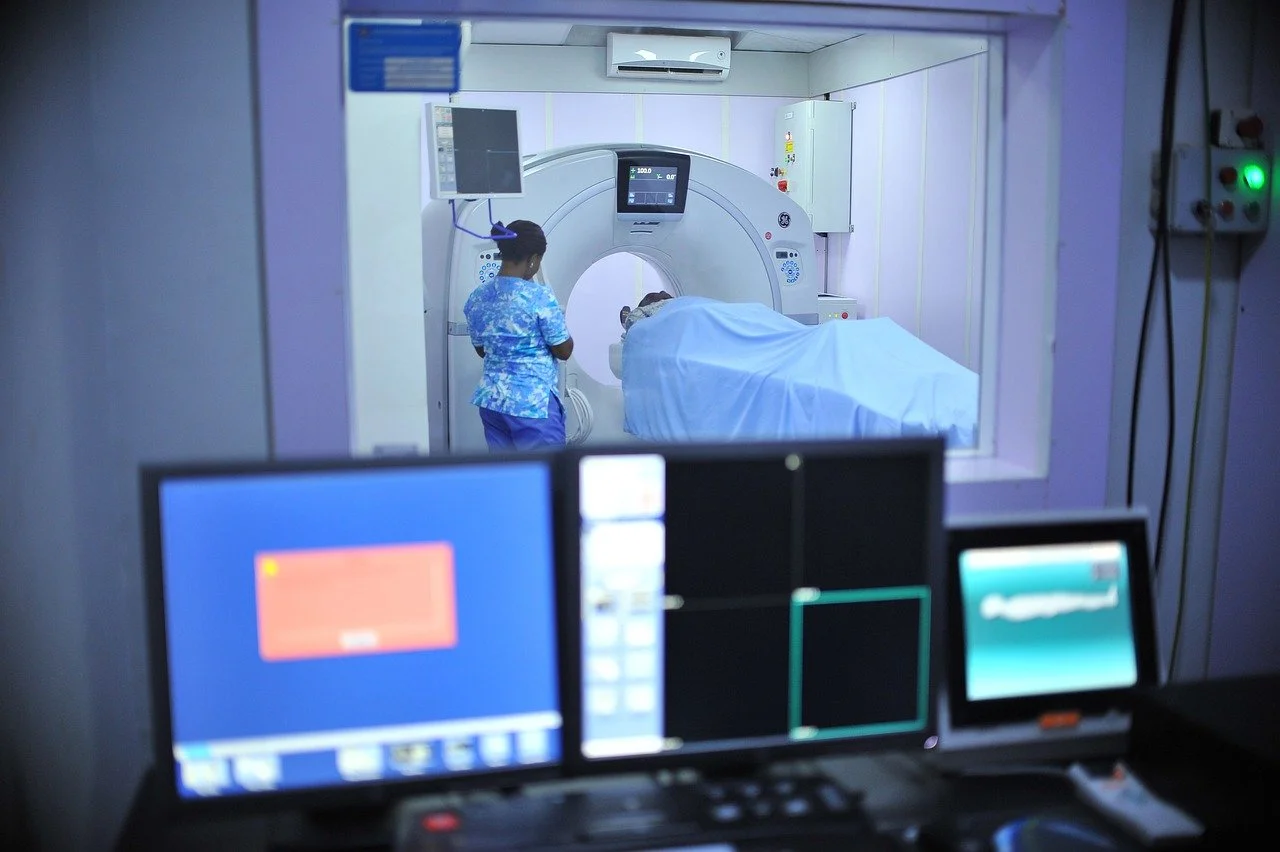
For a more definitive diagnosis, physicians may use CT or MRI venography, which provides detailed images of pelvic blood vessels. In some cases, venography with contrast dye offers the most accurate assessment by directly visualizing the veins and measuring pressures within them.
Consulting with a qualified vein specialist ensures proper evaluation and diagnosis, as these physicians have specific expertise in recognizing and treating venous disorders.
Treatment Options for Relief
Treatment for Pelvic Congestion Syndrome focuses on relieving pain, reducing venous congestion, and preventing symptom progression. The approach typically combines lifestyle modifications with medical interventions tailored to each patient's specific needs.
Conservative Management
Many women find relief through non-invasive approaches. Regular exercise improves circulation and strengthens the muscles that support vein function. Activities like walking and swimming are particularly beneficial for venous health.
Compression therapy using specially fitted compression garments can provide significant symptom relief by supporting pelvic veins and improving blood flow. Elevating the legs regularly throughout the day also helps reduce venous pressure.
Medical Treatments
Hormonal medications may help some women by regulating hormone levels that contribute to vein dilation. Pain management through anti-inflammatory medications can control discomfort, though this addresses symptoms rather than the underlying vascular problem.
Minimally Invasive Procedures
For women who do not respond adequately to conservative treatments, minimally invasive procedures offer effective solutions. Ovarian vein embolization represents the gold standard treatment for PCS. During this outpatient procedure, a vascular specialist inserts a catheter through a small incision and guides it to the affected pelvic veins using imaging technology. Tiny coils or a special foam solution seal off the damaged veins, redirecting blood flow to healthy vessels. Most women experience significant pain relief within weeks of treatment.
Sclerotherapy, similar to treatments used for spider veins, involves injecting a solution directly into the varicose pelvic veins to close them off. This approach works well for some women, particularly when combined with other treatments.
Living with Pelvic Congestion Syndrome
While PCS can significantly impact daily life, proper diagnosis and treatment allow most women to manage their symptoms effectively and return to normal activities. Understanding that this is a real, treatable vascular condition rather than "all in your head" provides important validation for women who have struggled to find answers.
Lifestyle strategies can make a substantial difference in symptom management. Avoiding prolonged standing or sitting, maintaining a healthy weight, staying hydrated, and incorporating movement throughout the day all support better venous function.
The psychological impact of living with chronic pelvic pain should not be underestimated. Many women benefit from connecting with support groups or working with healthcare providers who understand the condition. Managing chronic pain often requires a comprehensive approach that addresses both physical and emotional well-being.
When to Seek Professional Help
Women experiencing persistent pelvic pain should not dismiss their symptoms or assume they must simply endure the discomfort. If you have chronic pelvic pain that worsens with standing, visible varicose veins in the pelvic region, or pain during intercourse, seeking evaluation from a vein specialist is essential.
Early detection improves treatment outcomes and prevents complications. The longer pelvic veins remain engorged and varicose, the more difficult symptoms may become to manage. Modern diagnostic tools and treatment options mean that women no longer need to suffer in silence with unexplained pelvic pain.
Conclusion
Pelvic Congestion Syndrome represents a real and treatable cause of chronic pelvic pain that affects countless women. By recognizing the symptoms, understanding risk factors, and seeking proper evaluation, women can finally find answers and relief from this often-overlooked condition. Whether through conservative management or minimally invasive procedures, effective treatment options exist to restore comfort and improve quality of life.
If you suspect you might have Pelvic Congestion Syndrome, contact a vein specialist for a comprehensive evaluation. With proper diagnosis and personalized treatment, you can take control of your pelvic pain and reclaim your well-being.
Elmore Medical Vein & Laser Treatment Center is the premier vein specialty medical practice in the Central Valley. Dr. Mario H. Gonzalez and his staff offer years of experience and medical expertise that you won’t find anywhere else. Contact us to set up a consultation appointment.