Eco-Friendly Approaches to Vein Health
Taking care of your veins does not have to come at the expense of the environment. In fact, many of the most effective strategies for supporting healthy circulation align naturally with sustainable, eco-conscious living. From choosing plant-based foods rich in vein-supporting nutrients to incorporating green modes of transportation into your routine, the overlap between environmental wellness and vascular wellness is significant.
Whether you are already committed to a greener lifestyle or simply looking for practical ways to care for your veins, this blog explores how eco-friendly choices can support both the planet and your circulatory system.
The Connection Between Sustainability and Circulation
At its core, vein health depends on a few fundamental principles: regular movement, good nutrition, proper hydration, and avoiding prolonged periods of inactivity. Many of these principles naturally intersect with an environmentally conscious lifestyle. Walking or biking instead of driving, eating whole foods instead of heavily processed products, and spending time outdoors in nature all contribute to better circulation while reducing your carbon footprint.
The modern shift toward sedentary, convenience-driven lifestyles has contributed to rising rates of varicose veins and other venous conditions. By contrast, returning to simpler, more sustainable habits often brings the added benefit of improved vascular function. The connection is not coincidental. When we choose to move more, eat better, and live with greater intention, our veins benefit alongside the environment.
Plant-Based Nutrition for Stronger Veins
One of the most impactful eco-friendly choices you can make for your veins is to focus on a plant-forward, anti-inflammatory diet. Plant-based foods tend to have a lower environmental footprint than animal products and are packed with the nutrients your vascular system needs.
Key vein-supporting nutrients found in plant-based foods include:
Vitamin C
Found in citrus fruits, bell peppers, strawberries, and broccoli, vitamin C supports collagen production, which is essential for maintaining the structural integrity of vein walls.
Flavonoids and Anthocyanins
Berries, dark leafy greens, and red grapes are rich in these powerful antioxidants that help protect veins from oxidative damage and reduce inflammation.
Dietary Fiber
Whole grains, legumes, fruits, and vegetables provide fiber that supports digestive health and prevents the straining that can put pressure on veins, particularly in the lower body.
Potassium
Bananas, sweet potatoes, and avocados help regulate fluid balance, reducing water retention and the swelling that can aggravate vein conditions.
Omega-3 Fatty Acids
Walnuts, flaxseeds, and chia seeds offer plant-based omega-3s that help reduce inflammation throughout the circulatory system.
Choosing locally grown, seasonal produce when possible further reduces the environmental impact of your diet while ensuring you receive the freshest, most nutrient-dense foods for vein health.
Eco-Friendly Habits That Support Your Veins
Making greener daily choices does not require a complete lifestyle overhaul. Here are five practical, environmentally friendly habits that also promote better vein health:
1. Walk or Bike for Transportation
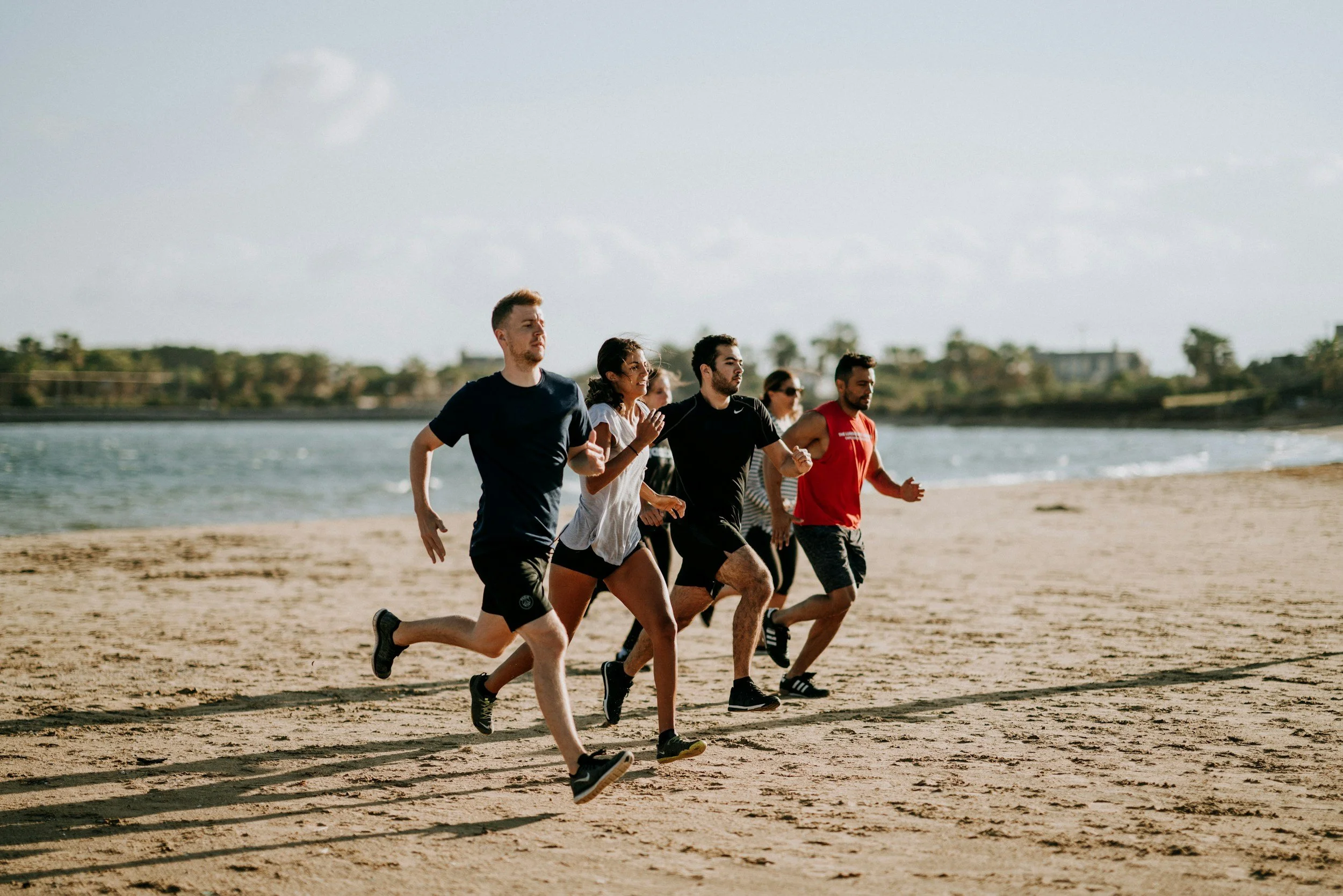
Replacing short car trips with walking or biking is one of the simplest ways to reduce emissions while boosting your circulation. Both activities engage the calf muscles that serve as the primary pump for returning blood from the legs to the heart.
2. Grow a Garden
Gardening involves a combination of bending, squatting, walking, and lifting that keeps blood flowing and muscles engaged. Growing your own herbs, fruits, and vegetables also reduces reliance on commercially farmed and transported produce.
3. Choose Outdoor Exercise Over Gym Equipment
Activities like hiking, trail walking, swimming in natural bodies of water, and outdoor yoga provide excellent cardiovascular benefits without the energy consumption associated with indoor gym equipment. The natural terrain also challenges your muscles in varied ways that support venous return.
4. Stay Hydrated with Reusable Water Bottles
Proper hydration is essential for healthy veins because it keeps blood at an optimal consistency for smooth circulation. Using a reusable water bottle eliminates the waste associated with single-use plastics while encouraging you to drink water throughout the day.
5. Opt for Sustainable Compression Garments
If you use compression stockings for vein support, look for brands that prioritize sustainable materials, ethical manufacturing, and recyclable packaging. Some newer compression products are made from recycled nylon or organic cotton blends, offering the same therapeutic benefits with a smaller environmental footprint.
Each of these habits contributes to a greener lifestyle while directly supporting the health of your veins and circulatory system.
Sustainable Approaches to Vein Treatment
When it comes to addressing existing vein conditions, modern treatment options are already aligned with many principles of sustainability. Minimally invasive procedures like sclerotherapy and endovenous laser therapy require no hospital stays, produce minimal medical waste compared to traditional surgeries, and allow patients to return to their daily routines quickly. These outpatient procedures use targeted techniques that reduce the need for extensive resources while delivering effective results.
Additionally, the shift toward prevention-focused care in vein health mirrors the broader sustainability principle of reducing waste by addressing problems early. Regular vein evaluations and early lifestyle interventions can prevent the need for more intensive treatments later, reducing both personal health costs and medical resource consumption.
Making the Green Choice for Your Veins
The beauty of eco-friendly vein care is that it does not require sacrifice. In most cases, the healthiest choices for your veins are also the healthiest choices for the planet. Walking instead of driving, eating whole plant-based foods instead of processed alternatives, staying hydrated with reusable containers, and spending time moving outdoors all create a positive cycle of personal and environmental wellness.
Small, consistent changes add up over time, both for your circulation and for the world around you.
Conclusion
Caring for your veins and caring for the environment are more aligned than you might think. By embracing eco-friendly habits in your diet, exercise routine, and daily lifestyle, you can support healthier circulation while reducing your environmental impact. Whether it is choosing a plant-rich diet, biking to work, or simply spending more time outdoors, these green strategies offer real benefits for your vascular system. If you are experiencing vein symptoms or want to learn more about your vein health, schedule a consultation with a specialist to create a personalized care plan that fits your values and your health goals.
Elmore Medical Vein & Laser Treatment Center is the premier vein specialty medical practice in the Central Valley. Dr. Mario H. Gonzalez and his staff offer years of experience and medical expertise that you won’t find anywhere else. Contact us to set up a consultation appointment.