What Is Venous Mapping and When Do You Need It?
When it comes to diagnosing and treating vein conditions, precision matters. Before a vein specialist can recommend the most effective course of action, they need a clear understanding of what is happening beneath the surface of your skin. That is where venous mapping comes in. This non-invasive diagnostic procedure provides a detailed look at the structure and function of your veins, giving your care team the information they need to create a targeted treatment plan.
Whether you are dealing with visible varicose veins, unexplained leg symptoms, or preparing for a vein procedure, understanding venous mapping can help you feel more informed and confident about your care.
What Is Venous Mapping?
Venous mapping is a specialized ultrasound-based diagnostic procedure that creates a comprehensive picture of the veins in your legs or other areas of concern. Using duplex ultrasound technology, a trained vascular technologist can visualize the size, location, and structure of individual veins while also measuring the direction and speed of blood flow within them.
Unlike a simple physical examination, which can only assess what is visible on the surface, venous mapping reveals what is happening deeper within the venous system. It can identify veins with faulty valves, areas where blood is flowing backward (a condition known as venous reflux), and veins that may be enlarged, tortuous, blocked or narrowed. This information is critical for understanding the different types of vein conditions a patient may be experiencing and for determining the best treatment approach.
How Venous Mapping Works
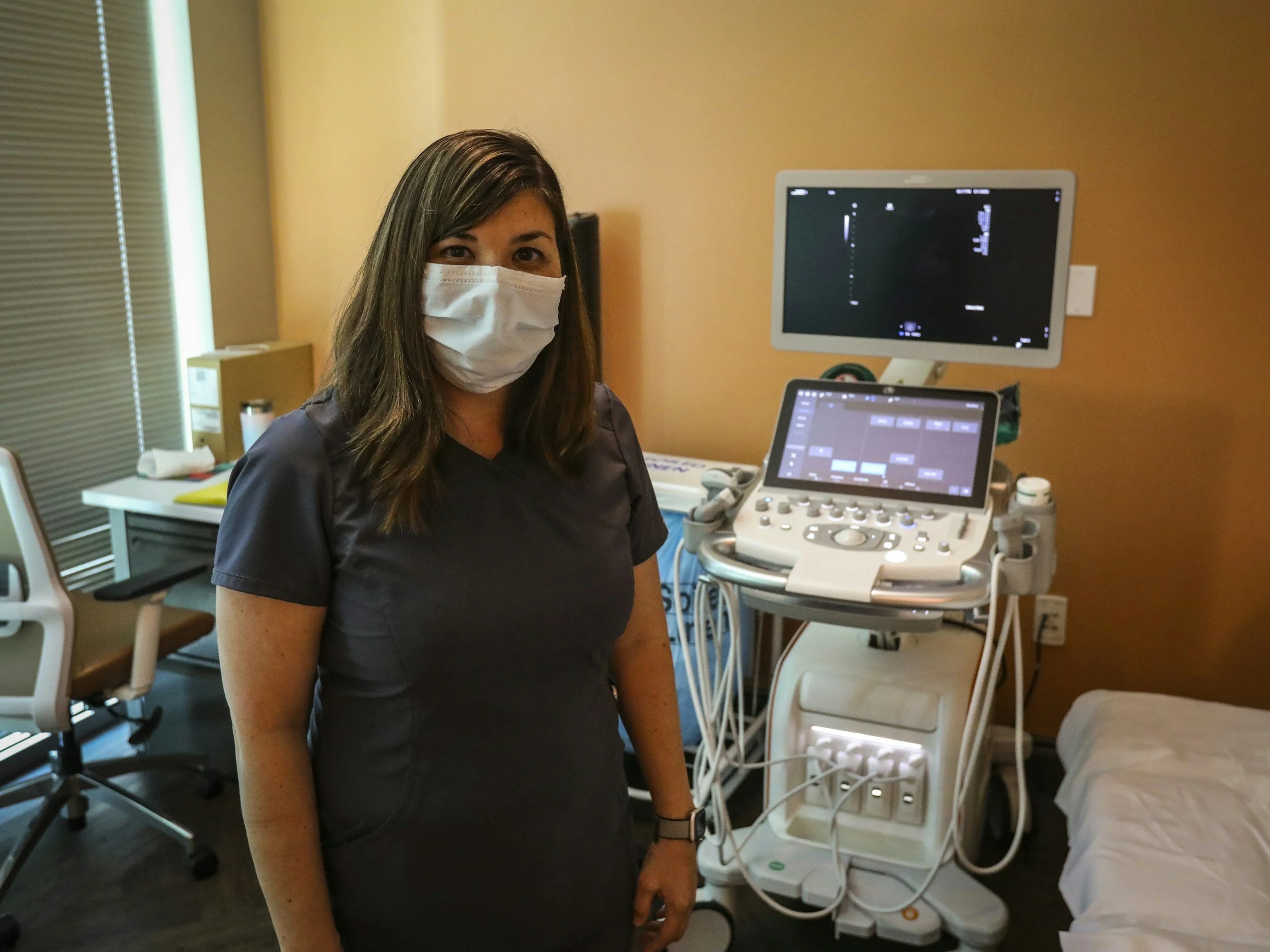
The procedure itself is straightforward, painless, and requires no special preparation. During a venous mapping session, you will typically stand or lie on an examination table while the technologist applies a warm gel to your skin. A handheld ultrasound transducer is then moved over the surface of your legs, sending sound waves into the tissue. These sound waves bounce off blood cells and vein walls, producing real-time images on a monitor.
The technologist will examine both the superficial veins near the skin's surface and the deeper veins within the muscle tissue. They will assess valve function by observing whether blood moves in the correct direction toward the heart and lungs, or in a backward direction. The entire process usually takes 30 to 60 minutes, depending on the extent of the evaluation, and you can return to normal activities immediately afterward.
The resulting images create a "map" of your venous system that your vein specialist uses to diagnose conditions and plan treatment with precision.
Conditions That May Require Venous Mapping
Venous mapping is used to evaluate a wide range of vein-related concerns. Some of the conditions and situations where this diagnostic tool is most valuable include:
Varicose Veins
Mapping identifies which truncal veins (which may or may not be visible) are malfunctioning and contributing to the visible, bulging veins on the surface.
Chronic Venous Insufficiency (CVI)
This condition involves damaged valves that prevent efficient blood return; mapping helps determine the extent and location of valve failure.
Venous Reflux
By measuring the direction of blood flow, mapping can confirm whether reflux is present and pinpoint exactly where it occurs.
Recurrent Vein Problems
For patients whose vein conditions have returned after previous treatment, mapping helps identify new or previously untreated sources of the issue.
Pre-surgical Planning
Before procedures like endovenous laser ablation, a vein map ensures the specialist targets the correct veins and avoids unnecessary intervention.
Unexplained Leg Symptoms
Swelling, heaviness, pain, or skin changes in the legs may warrant mapping to rule out or confirm underlying venous disease.
This diagnostic versatility makes venous mapping with duplex ultrasound a cornerstone of modern vein care.
Reasons Your Doctor May Recommend Venous Mapping
If your provider has suggested venous mapping, it is likely for one or more of the following reasons:
1. To Identify the Source of Visible Vein Problems
Surface-level varicose veins and spider veins are often caused or worsened by deeper, underlying sources of venous reflux. Mapping traces the problem to its origin, ensuring that treatment addresses the root cause rather than just the visible symptoms.
2. To Confirm a Diagnosis of Venous Insufficiency
Symptoms like leg heaviness, swelling, and fatigue can have multiple causes. Venous mapping provides objective evidence of valve dysfunction and blood flow abnormalities, which helps to confirm or rule out a diagnosis of venous insufficiency.
3. To Plan a Minimally Invasive Procedure
Procedures like laser ablation and sclerotherapy require precise knowledge of which veins to treat and where they are located. Venous mapping provides the roadmap that allows specialists to deliver targeted, effective treatment with minimal disruption to healthy veins.
4. To Evaluate Veins After a Previous Treatment
If vein symptoms return after treatment, mapping can reveal whether the original treated veins have reopened or whether new veins have developed problems. This information guides the next steps in care.
5. To Establish a Baseline for Monitoring
For patients with risk factors like family history, obesity, or a history of blood clots, venous mapping can serve as a baseline evaluation. Future comparisons can detect changes early, before symptoms worsen.
Understanding why mapping is recommended can help you approach the procedure with confidence and a clear sense of its value.
What to Expect Before, During, and After
Preparing for venous mapping is simple. You will generally be asked to wear loose, comfortable clothing and avoid applying lotions to your legs on the day of the exam. There are no dietary restrictions, and you do not need to fast beforehand. The procedure is entirely non-invasive, so there are no needles, injections, or sedation involved.
During the exam, the technologist may ask you to perform certain maneuvers, such as bearing down or flexing your calf muscles, to evaluate how your veins respond to pressure changes. You may feel light pressure from the ultrasound transducer, but the process is generally comfortable.
After the exam, your vein specialist will review the results and discuss findings with you. If treatment is recommended, the venous map will serve as a guide for the most effective and least invasive approach possible.
Conclusion
Venous mapping with ultrasound is a powerful, painless diagnostic tool that plays an essential role in modern vein care. By providing a detailed view of your venous anatomy and blood flow, it allows specialists to identify problems accurately, plan treatments precisely, and monitor your vein health over time. If you are experiencing leg symptoms or have been told you may need vein treatment, venous mapping is often the important first step toward effective care. Contact a vein specialist to learn more about whether venous mapping is right for you.
Elmore Medical Vein & Laser Treatment Center is the premier vein specialty medical practice in the Central Valley. Dr. Mario H. Gonzalez and his staff offer years of experience and medical expertise that you won’t find anywhere else. Contact us to set up a consultation appointment.