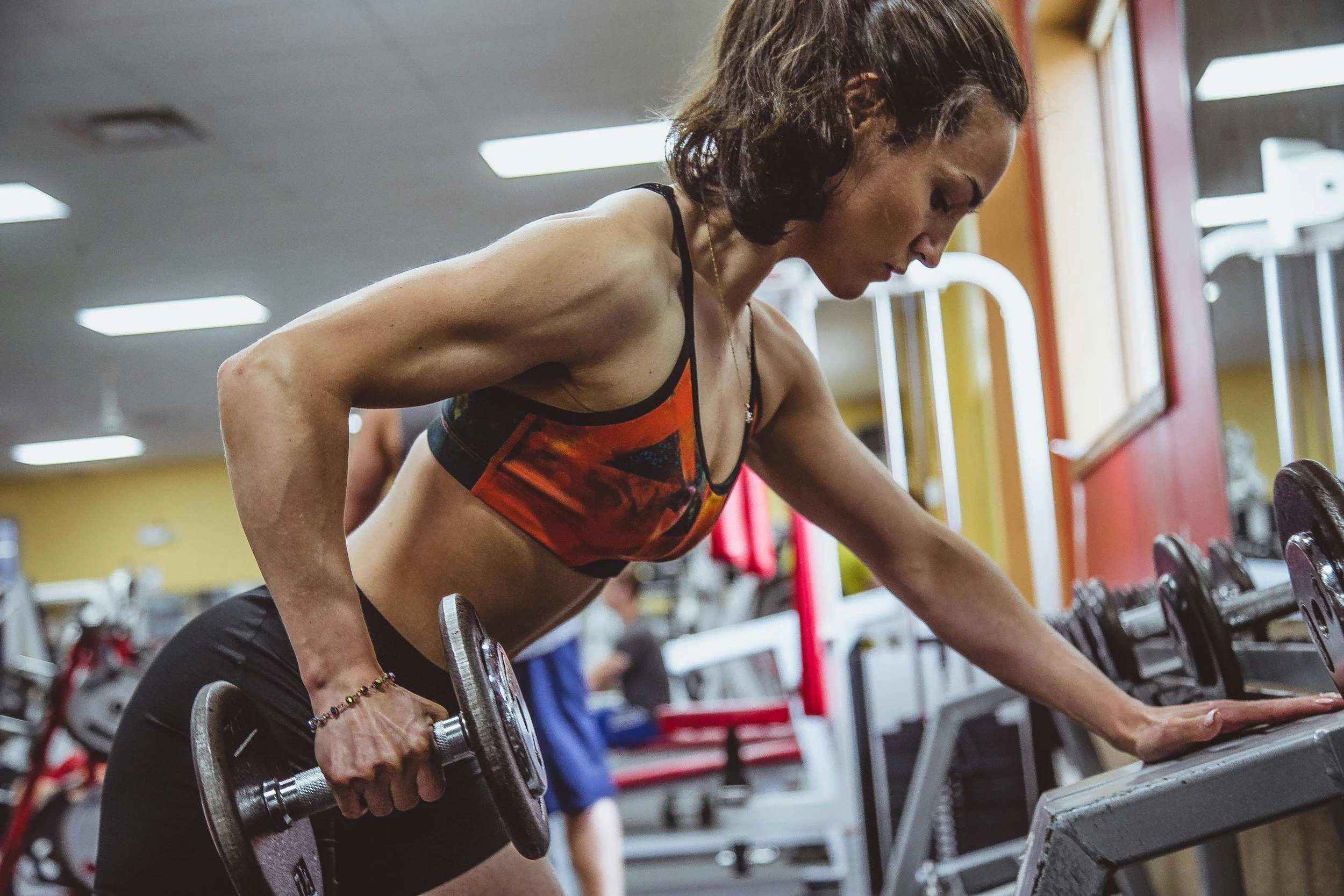
Strength training has a complicated reputation among people with vein concerns. Muscle is the engine that drives blood back up from the legs, yet heavy lifting temporarily raises pressure inside the abdomen and the veins below it. Both things are true, and the difference between benefit and strain usually comes down to technique rather than the weight on the bar.
If you lift regularly and have noticed bulging veins, aching after sessions, or a family history of varicose veins, it is worth understanding what happens inside your circulatory system during a set.
The Calf Muscle Pump Does the Heavy Lifting
Your heart pushes blood outward, but getting it back up from the feet against gravity is largely a muscular job. Every time the calf contracts, it squeezes the deep veins running through it and pushes blood upward, while one way valves prevent it from sliding back down. Physiologists sometimes call the calf a second heart, and the description is not an exaggeration.
Stronger, more frequently engaged leg muscles mean a more effective pump. Resistance training, done well, strengthens exactly the tissue that performs this function.
Where Lifting Creates Pressure Instead of Relieving It
The complication is intra abdominal pressure. When you brace and hold your breath during a maximal effort, a pattern known as the Valsalva maneuver, pressure in the abdomen rises sharply and is transmitted downward into the veins of the pelvis and legs. Held repeatedly and for long durations, that pressure works against the valves rather than with them.
This does not mean lifting causes vein disease on its own. Genetics, age, pregnancy, hormones, and hours spent standing all play larger roles. But if your valves are already compromised, training habits can either ease the load or add to it, as this blog look at how varicose veins affect weightlifters explains in more detail. For the underlying question of causation, this discussion of whether weightlifting causes varicose veins is a useful companion read.
Five Adjustments That Protect Venous Return
You do not need to abandon resistance training to protect your veins. These five adjustments preserve the benefits while reducing the pressure spikes.
1. Breathe Through the Effort
Exhale during the exertion phase and inhale during the lowering phase. Holding your breath through a grinding rep is what drives intra abdominal pressure to its peak, and simply breathing consistently keeps that pressure far lower.
This single habit change is the most impactful item on the list. It costs nothing and requires no equipment.
2. Favor Moderate Loads and Higher Repetitions
Sets in the eight to fifteen repetition range with controlled tempo build meaningful strength without demanding the maximal bracing that near limit singles require. If maximal strength is a goal, work with a coach on bracing technique and keep true maximal attempts infrequent rather than weekly.
3. Include Movement Between Sets
Standing motionless under a loaded bar or sitting for three minutes between sets both let blood settle in the legs. Walking a short loop, doing slow heel raises, or gently marching in place keeps the calf pump active during recovery periods.
This is a small change with an outsized effect on how your legs feel at the end of a session. The broader case for walking as circulation support applies inside the gym as much as outside it.
4. Reconsider Prolonged Static Holds
Long planks, heavy static holds, and extended isometric positions keep muscles contracted without the rhythmic squeeze and release that moves blood. Cycling these movements with dynamic work restores the pumping action.
Some exercises are worth modifying outright, and this list of exercises to avoid with varicose veins is a practical reference when you are rebuilding a program.
5. Finish With Elevation and Calf Work
Ending a session with calf raises followed by a few minutes lying with your legs raised helps clear the fluid that accumulated during training. It takes five minutes and noticeably reduces the post workout heaviness many lifters describe.
Pair these adjustments with consistency and most people find they can train hard without the aching legs they had come to accept as normal.
Symptoms and Signs Worth Paying Attention To
Training discomfort and vascular symptoms are not the same thing. The following signs suggest your veins deserve a professional look rather than another deload week.
Aching or heaviness that arrives in the evening rather than immediately after training
Swelling around one or both ankles that persists overnight
Visible veins that become more prominent over months rather than only during a set
Skin itching, dryness, or discoloration near the ankle
Night cramps or restlessness that appeared alongside other leg changes
If several of these apply, it is worth exploring the treatment options available for vein conditions rather than continuing to adjust your program in isolation.
Train Strong, Move Blood
Strength training is not the enemy of healthy veins. Muscular legs and regular contraction are protective, and the risk sits almost entirely in how you breathe, how long you brace, and how still you stand between efforts. If you are rebuilding a routine around vein friendly movement, this collection of the best exercises for varicose veins is a good foundation.
If you are managing vein symptoms and want guidance specific to your training, bring your questions to a specialist. Elmore Medical serves patients across the Fresno area and offers an ask the doctor resource for exactly these situations. This article is general information and does not replace individualized medical advice.
Elmore Medical Vein & Laser Treatment Center is the premier vein specialty medical practice in the Central Valley. Dr. Mario H. Gonzalez and his staff offer years of experience and medical expertise that you won’t find anywhere else. Contact us to set up a consultation appointment.