How Standing Desks Impact Circulation and Vein Health
Standing desks have become a workplace wellness trend, promoted as a solution to the health problems associated with prolonged sitting. Many people invest in adjustable desks hoping to improve their posture, burn more calories, and support better circulation. But when it comes to vein health specifically, the relationship between standing desks and circulation is more nuanced than many realize.
Understanding how both sitting and standing affect your veins helps you make informed decisions about your workspace setup and daily habits. The goal isn't simply to replace sitting with standing but to find the right balance of movement throughout your workday.
The Problem With Prolonged Sitting
Sedentary lifestyles have a significant impact on vein health. When you sit for extended periods, several things happen that compromise circulation. Your hip and knee joints remain bent, which can compress blood vessels and restrict flow. The calf muscles, which act as your body's "second heart" by pumping blood back up from your legs, remain inactive. Gravity pulls blood downward, and without muscle contractions to counteract this, blood pools in the lower extremities.
Over time, this venous stasis increases pressure within leg veins. The vein walls can stretch, and the one-way valves that prevent backward blood flow may weaken or fail. This sets the stage for chronic venous insufficiency and the development of varicose veins.
Research consistently shows that people with desk jobs face increased risk for vein problems. The combination of immobility, gravitational pressure, and reduced muscle activation creates an environment where venous dysfunction can develop.
The Standing Desk Solution: Benefits and Limitations
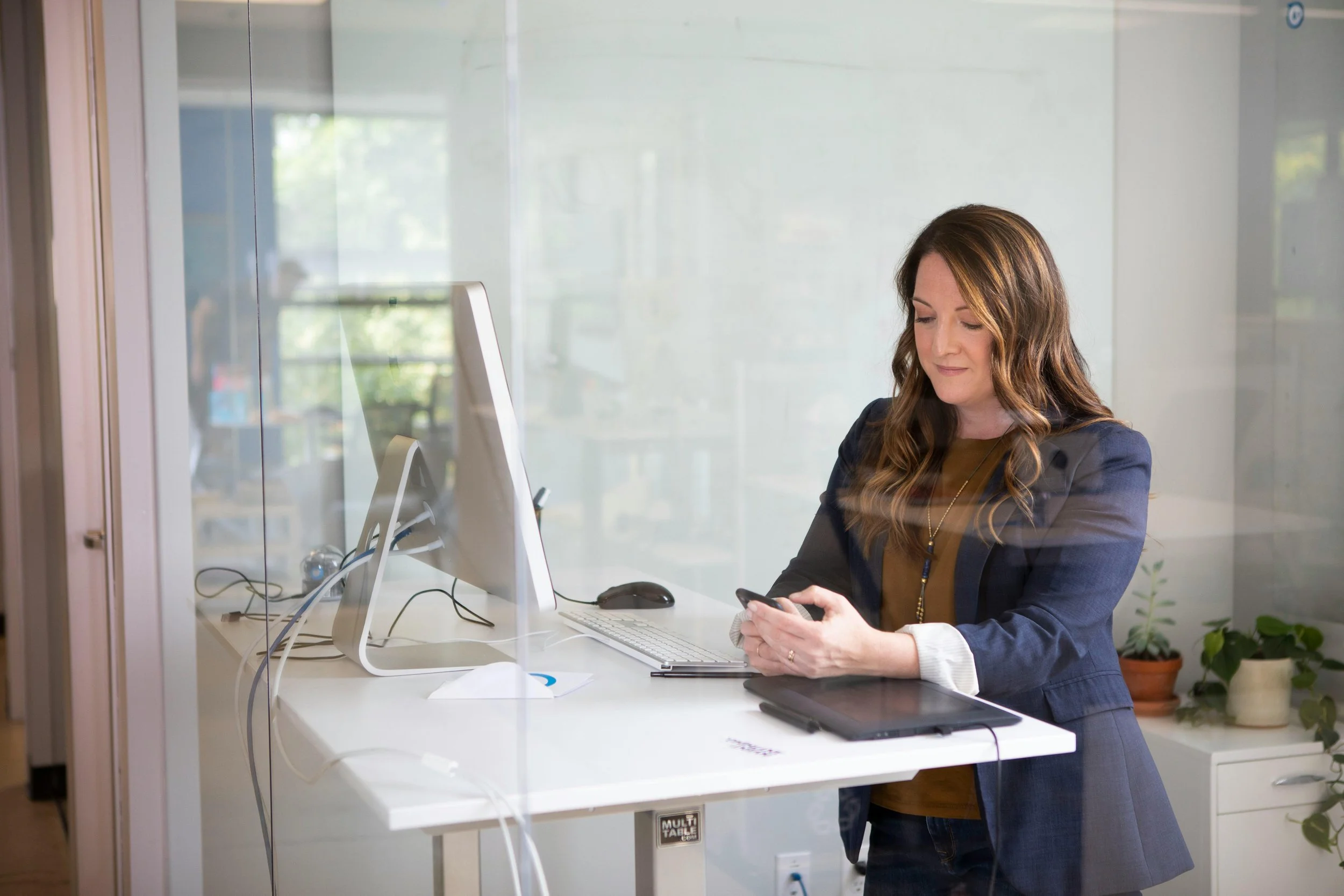
Standing desks address some issues associated with sitting, but they create new challenges. When you stand, your muscles are more engaged, which provides some improvement in circulation compared to sitting. Your body burns slightly more calories, and you're more likely to shift your weight and make small movements. Many people report feeling more alert and focused when standing.
However, prolonged standing presents its own set of problems for vein health. Standing still for hours places constant gravitational pressure on leg veins without the benefit of muscle pump activation that comes from walking. This can actually worsen venous pooling and increase the risk of varicose veins developing or progressing. Studies have shown that certain occupations requiring extended standing, such as teachers, nurses, and chefs, have higher rates of vein problems.
Standing without movement allows blood to pool just as sitting does, though through a different mechanism. The key difference is that standing at least keeps your leg muscles somewhat active, whereas sitting completely disengages them.
Finding the Optimal Balance
The solution isn't choosing between sitting and standing but rather alternating between both while incorporating regular movement. Research suggests that changing positions every 30 to 60 minutes provides the best outcomes for circulation and overall health.
An ideal workday routine might look like this: start your morning sitting for focused work, stand for 30-45 minutes mid-morning while handling emails or calls, take a brief walking break, return to sitting for detailed tasks, stand again in the afternoon, and incorporate short movement breaks every hour regardless of whether you're sitting or standing.
The most important factor isn't whether you're sitting or standing at any given moment but rather that you're not remaining static for extended periods. Regular movement is what truly supports healthy circulation.
Maximizing Circulation While Using a Standing Desk
If you use a standing desk, certain practices optimize its benefits for vein health. Avoid standing completely still. Shift your weight frequently from one leg to the other, rock gently from heels to toes, or perform subtle calf raises. These micro-movements activate your calf muscle pump and prevent blood from pooling.
Consider using an anti-fatigue mat designed to encourage subtle movements and reduce pressure on your feet and legs. Wear supportive, cushioned shoes rather than going barefoot or wearing flat, unsupportive footwear. Proper footwear supports circulation and reduces leg fatigue.
Maintain proper ergonomic positioning with your desk at elbow height and your monitor at eye level. Poor posture while standing can create tension that restricts circulation. If you're at higher risk for vein problems due to family history or existing symptoms, consider wearing compression stockings during work hours. These provide external support that helps veins return blood to your heart more efficiently.
The Role of Active Movement
Neither sitting nor standing provides the circulation benefits of actual movement. Walking is the gold standard for vein health because it actively engages the calf muscle pump with each step. During your workday, prioritize walking breaks. Take the stairs instead of the elevator, walk to colleagues' desks rather than emailing, schedule walking meetings when possible, or use your lunch break for a brief stroll.
Even at your desk, you can incorporate circulation-boosting exercises. Perform ankle circles and flexes while sitting or standing, do calf raises while waiting for your computer to load, practice seated marches by lifting alternating knees, or try seated or standing leg extensions.
Creating an Ergonomic Workspace for Vein Health
Beyond your desk setup, consider other workspace factors that affect circulation. Keep the temperature comfortable, as excessive heat can cause veins to dilate and increase pooling. Ensure adequate lighting to reduce eye strain that might keep you frozen in one position. Organize frequently used items within easy reach to encourage natural movement. Set phone or computer reminders to prompt position changes or movement breaks.
Office ergonomics plays a significant role in preventing vein conditions. Small adjustments to your workspace can have meaningful impacts on your circulatory health over time.
Warning Signs to Watch For
Pay attention to symptoms that may indicate your work setup is affecting your vein health. Leg heaviness or fatigue by day's end, visible swelling in ankles or feet, aching or throbbing in legs, restless legs in the evening, or visible veins that seem to worsen all warrant attention.
If you notice these symptoms, try adjusting your routine before they progress. Increase movement breaks, elevate your legs when possible, or consider compression therapy. If symptoms persist despite these changes, consult a vein specialist for evaluation.
Who Should Be Most Careful About Standing
Certain individuals need to be particularly mindful about prolonged standing. Those with existing varicose veins or chronic venous insufficiency should be cautious, as extended standing may worsen symptoms. Pregnant women experience increased pressure on leg veins and should alternate positions frequently. People with a family history of vein problems face higher risk for developing circulation issues.
If you fall into any of these categories, work with a healthcare provider to develop strategies that protect your vein health while meeting your work needs.
Making It Work for You
There's no one-size-fits-all answer to the sitting versus standing debate. The right approach depends on your individual health status, job requirements, and personal preferences. Experiment to find what works best for you. Some people thrive alternating every 30 minutes, while others prefer longer blocks of sitting or standing with fewer transitions.
Listen to your body. If standing causes leg discomfort or swelling, you're probably doing it too long without movement. If sitting leaves you feeling sluggish with heavy legs, you need more standing and movement breaks.
Moving Forward
Standing desks offer benefits compared to all-day sitting, but they're not a magic solution for circulation problems. The real key to vein health at work is incorporating regular movement and avoiding prolonged static positions in any form.
If you're considering a standing desk, view it as a tool that enables position variety rather than a replacement for sitting. Pair it with a commitment to frequent movement breaks and attention to your body's signals. This balanced approach provides the best support for your veins while meeting the demands of modern desk work.
Remember that improving circulation isn't about perfect adherence to rigid rules but about consistently making choices that keep your blood flowing throughout the day.
Elmore Medical Vein & Laser Treatment Center is the premier vein specialty medical practice in the Central Valley. Dr. Mario H. Gonzalez and his staff offer years of experience and medical expertise that you won’t find anywhere else. Contact us to set up a consultation appointment.