Are Vibration Plates Good for Vein Disease, Lipedema, and Lymphedema?
Vibration plates have been popping up in gyms, wellness centers, and home exercise setups for years, but more recently, patients with vein disease, lipedema, and lymphedema have been asking whether these devices might offer real therapeutic benefits. It is a fair question, given how many people living with these conditions are looking for low-impact ways to support circulation, reduce swelling, and stay active.
The short answer is that there is some emerging research suggesting vibration therapy can be helpful for certain patients, though it is not a one-size-fits-all solution. Here is what you need to know.
What Is a Vibration Plate?
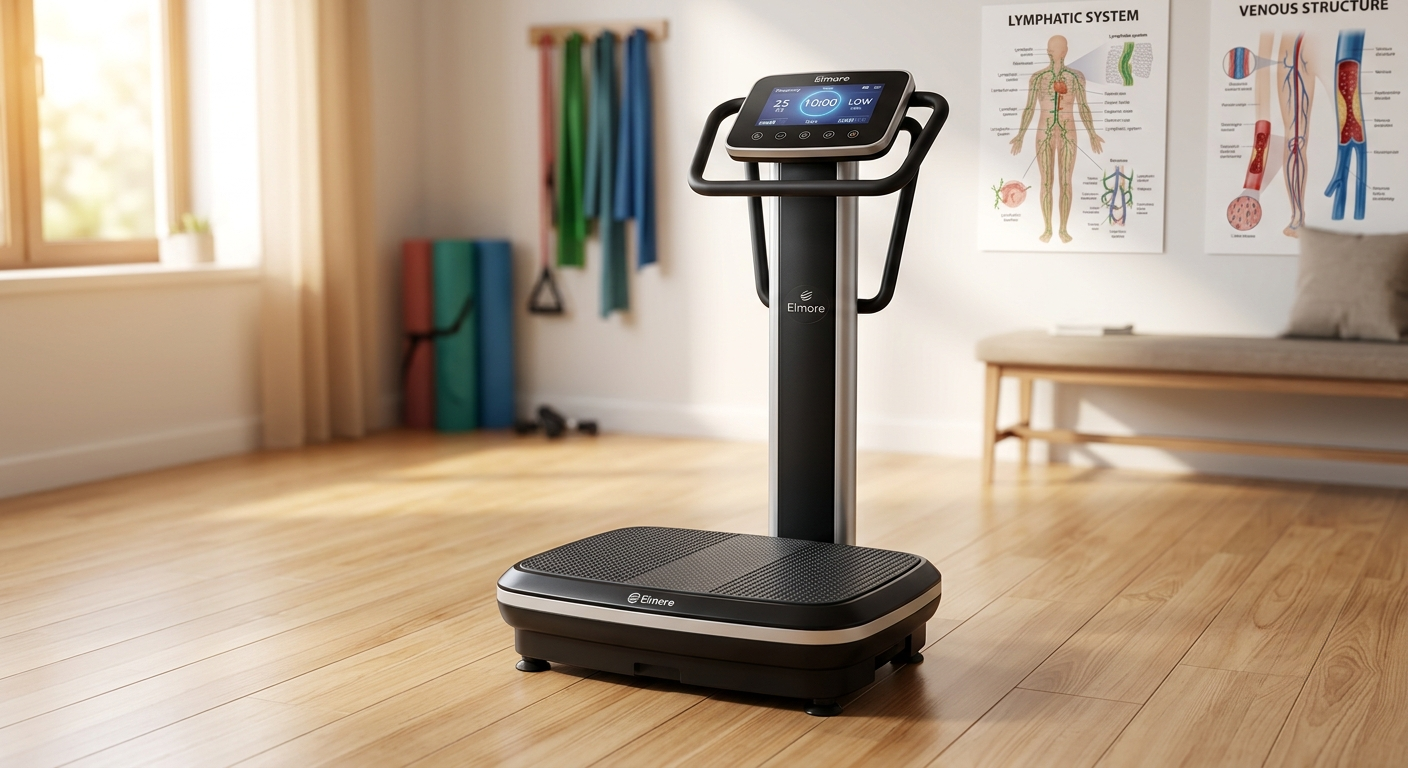
A vibration plate is a platform that oscillates rapidly, producing whole-body vibration (WBV) when you stand, sit, or perform exercises on it. The speed of the vibrations is measured in Hertz (Hz), or cycles per second. The vibrations are transmitted through your body, causing involuntary muscle contractions, which is thought to improve muscle activation, venous circulation, and lymphatic flow.
There are two main types of vibration plates: oscillating (side-alternating), which mimics a seesaw motion, and lineal (vertical), which moves up and down. The type of vibration, frequency, and duration of use can all influence outcomes, particularly for patients with complex conditions like those affecting the veins and lymphatic system. Vibration plates have also been used to improve balance and mobility, muscle strength, and bone density.
Vibration Plates and Vein Disease
For people with chronic venous insufficiency (CVI) or varicose veins, the underlying problem is that vein valves and leg muscle pumps fail to push blood efficiently back up toward the heart, causing blood to pool in the legs. This pooling leads to swelling, heaviness, and discomfort.
Some small studies have found that whole-body vibration can activate the calf muscles, which act as a natural pump for venous return. When these muscles contract, they squeeze blood upward through the leg veins. Vibration-induced muscle contractions may mimic this pumping action to a modest degree, potentially reducing the stagnation that makes venous symptoms worse.
That said, vibration therapy is not a replacement for proven vein treatments. It should be viewed as a possible complement to lifestyle strategies like walking, compression therapy, and leg elevation. If you have significant vein disease, it is important to discuss this option with a vein specialist before starting, as high-intensity vibration may not be advisable in people with advanced disease or venous ulcers.
Vibration Plates and Lymphedema
Lymphedema occurs when the lymphatic system is damaged or blocked, causing fluid to accumulate in the tissues. Traditional management includes manual lymphatic drainage, compression garments, and specific exercises. Could vibration therapy add anything to this picture?
A number of studies, including research on breast cancer survivors with lymphedema, have explored this question. Some findings suggest that low-frequency whole-body vibration can encourage lymphatic movement by stimulating smooth muscle in lymphatic vessel walls and improving local circulation. A few trials have observed reductions in limb volume and improved quality of life with consistent vibration therapy sessions.
Importantly, the research points to low-frequency, low-amplitude settings as being most appropriate for lymphedema. High-intensity vibration could potentially cause tissue damage or worsen inflammation in already compromised lymphatic tissue. Any vibration protocol for lymphedema should be supervised or at least guided by a certified lymphedema therapist or vascular specialist.
Vibration Plates and Lipedema
Lipedema is a chronic condition involving an abnormal accumulation of fat tissue, primarily in the legs and hips. It is frequently confused with lymphedema but involves a distinct pathology. Because lipedema often coexists with impaired lymphatic function, some practitioners have explored whether vibration therapy might help manage symptoms.
Research specifically on vibration therapy and lipedema is limited, but preliminary evidence and clinical reports suggest that vibration may help reduce pain sensitivity, improve local circulation, and support lymphatic drainage in affected limbs. Many patients with lipedema report that low-intensity vibration feels soothing and that it helps with mobility, though more robust clinical trials are needed before firm conclusions can be drawn.
Vibration therapy for lipedema is generally best used alongside other treatments such as complete decongestive therapy, appropriate physical activity, and compression garments.
How to Use a Vibration Plate Safely
If you are considering a vibration plate and have any of the conditions described above, keep the following in mind:
Start low and slow. Begin with lower frequencies and shorter sessions (5 to 10 minutes).
Wear compression garments. Wearing your prescribed compression stockings or sleeves during use may help control fluid shifts.
Avoid if you have active venous ulcers or severe inflammation. Check with your provider before using vibration therapy on compromised tissue.
Combine with established therapies. Vibration is a complementary therapy with potential benefits, not a replacement for manual lymphatic drainage, compression therapy, and appropriate exercise.
Consult your vein specialist. Discuss your individual situation before adding vibration therapy to your routine.
What the Research Still Needs
It is worth being clear that the studies on vibration therapy for vein disease, lymphedema, and lipedema are generally small and vary widely in methodology. There is not yet enough high-quality evidence to make sweeping recommendations. What the research does suggest is that low-intensity vibration therapy is likely safe for most patients with these conditions and may provide modest benefits, particularly for circulation and fluid movement.
As with many complementary approaches in vascular health, more research is needed. In the meantime, patients should rely on established treatments as their primary management strategy and approach vibration therapy as a potential supportive tool rather than a primary intervention.
If you are managing varicose veins, CVI, lymphedema, or lipedema and want to explore whether vibration therapy is appropriate for you, schedule a consultation with our team. We can review your history and help you build a safe, evidence-informed plan.
Elmore Medical Vein & Laser Treatment Center is the premier vein specialty medical practice in the Central Valley. Dr. Mario H. Gonzalez and his staff offer years of experience and medical expertise that you won’t find anywhere else. Contact us to set up a consultation appointment.