The Importance of Bioflavonoids for Vein Health
When most people think about supporting their veins, they consider hydration, movement, and maybe a daily multivitamin. What rarely makes the list is a quieter, equally powerful group of plant compounds called bioflavonoids. Found in colorful fruits, vegetables, teas, and herbs, bioflavonoids work behind the scenes to reinforce your vascular system. For anyone managing varicose veins, spider veins, or simply wanting to age well, understanding these compounds is worth your time.
What Are Bioflavonoids, Exactly?
Bioflavonoids (sometimes called flavonoids) are a large family of natural compounds responsible for the vivid pigments in plants. Beyond color, they serve as antioxidants and anti-inflammatory agents within the human body. There are thousands of individual flavonoids, but a handful stand out for their direct impact on vein and capillary health. They complement the broader role of nutrition in vascular wellness, a topic explored further in why diet matters for vein health.
How Bioflavonoids Support the Venous System
Veins rely on flexible walls and one-way valves to push blood upward against gravity. When those walls weaken or valves leak, blood pools, pressure rises, and visible vein issues develop. Bioflavonoids intervene at several points in this process.
Strengthening capillary walls. Compounds like rutin and hesperidin reduce capillary fragility, helping small vessels resist rupture and bruising.
Reducing oxidative stress. As antioxidants, flavonoids neutralize free radicals that damage vein linings over time.
Calming inflammation. Chronic low-grade inflammation accelerates vein wear. Flavonoids quiet inflammatory pathways linked to swelling and discomfort.
Improving venous tone. Certain flavonoids help veins contract more efficiently, supporting better blood return.
Reducing capillary leakage. Less leakage means less swelling, less heaviness, and a lower risk of skin changes around the ankles.
These effects build on what you might already be doing through antioxidant-rich eating habits, making bioflavonoids a logical extension of a vein-friendly lifestyle.
Key Bioflavonoids Worth Knowing
Not all flavonoids behave the same way. A few have earned particular attention in vascular research.
1. Diosmin
Frequently used in clinical formulations for chronic venous insufficiency, diosmin improves venous tone and lymphatic drainage.
2. Hesperidin
Common in citrus peels, hesperidin pairs well with diosmin and supports capillary integrity.
3. Rutin
Found in buckwheat, apples, and asparagus, rutin is one of the most studied flavonoids for reducing leg swelling.
4. Quercetin
Abundant in onions, kale, and berries, quercetin offers broad anti-inflammatory protection.
5. Anthocyanins
The pigments behind blueberries and blackberries, anthocyanins protect small vessels and improve circulation.
If you have been working on collagen support through vitamin C, pairing it with citrus flavonoids creates a particularly effective combination, since vitamin C and flavonoids work together more efficiently than either does alone.
Who Benefits Most From Bioflavonoids?
While everyone gains from a flavonoid-rich diet, some groups see especially noticeable benefits. People dealing with chronic venous insufficiency, patients managing visible varicose veins, and individuals prone to leg heaviness or swelling after long days tend to report meaningful improvement. Pregnant patients, those on their feet for work, and older adults dealing with age-related vein changes often benefit as well.
Best Food Sources of Bioflavonoids
You do not need supplements to start benefiting from flavonoids. A few smart food choices each day go a long way.
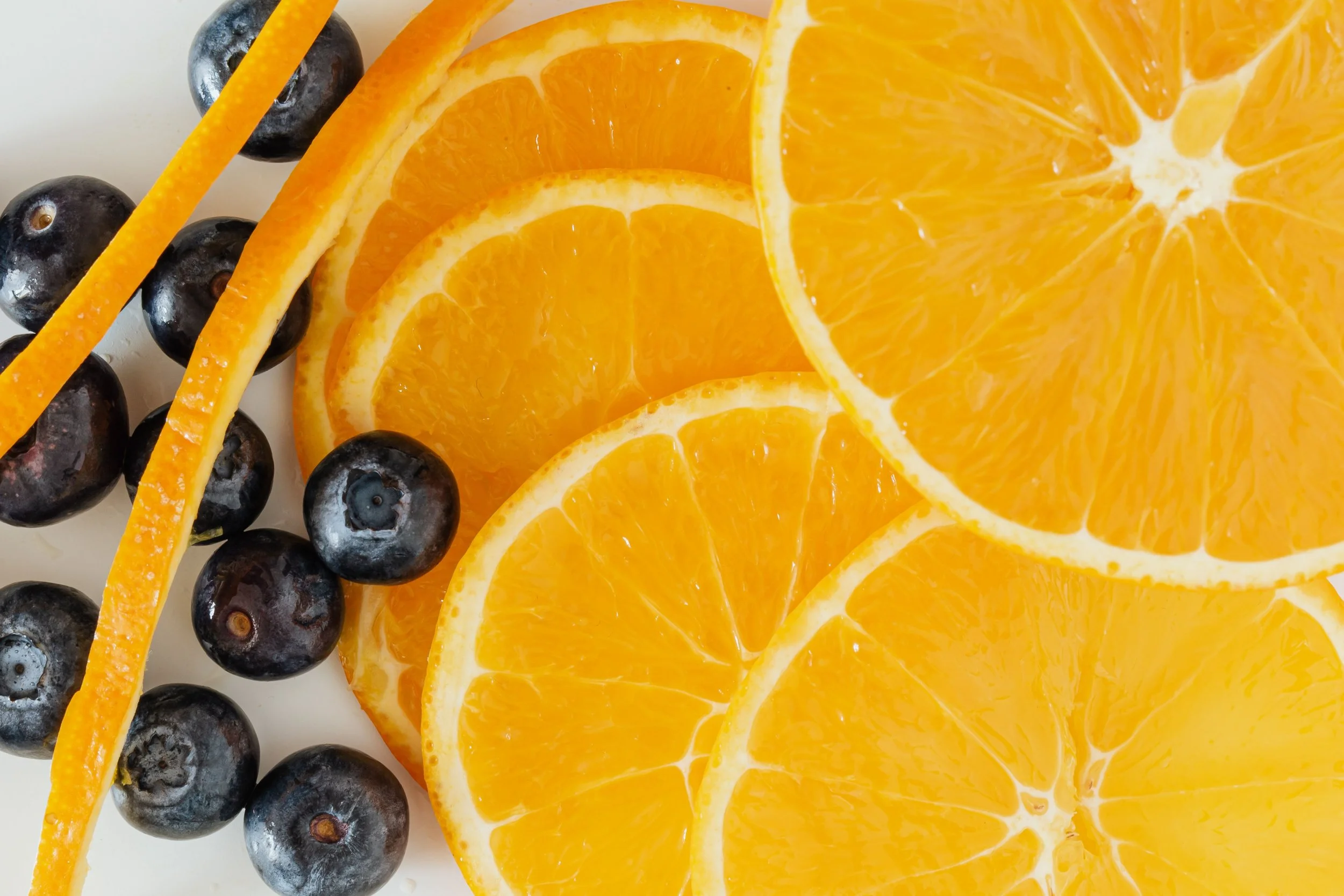
Citrus fruits (oranges, lemons, grapefruits, especially the white pith and zest)
Berries (blueberries, blackberries, strawberries, raspberries)
Dark leafy greens (kale, spinach, arugula)
Onions, garlic, and shallots
Apples and pears with skin
Buckwheat and other whole grains
Green and black tea
Red wine in moderation, or red grape juice
Dark chocolate with high cocoa content
Herbs such as parsley, thyme, and oregano
Rotating these foods through your weekly meals keeps your flavonoid intake diverse and consistent.
When to Consider a Clinical Approach
Diet is foundational, but it is not always enough on its own. If you notice persistent swelling, aching, skin discoloration, or visible bulging veins, food alone will not reverse those changes. That is the point at which a professional evaluation matters, and where vein screening becomes valuable. Modern minimally invasive options, from sclerotherapy to endovenous laser ablation, pair well with nutritional support to deliver lasting results.
Final Thoughts
Bioflavonoids will not replace movement, hydration, or medical care, but they are one of the most underrated tools for protecting your veins from the inside out. Building flavonoid-rich foods into your daily routine costs little, tastes good, and supports a vascular system that has to work hard for you every single day. To learn whether a more targeted plan is right for you, schedule a consultation with the Elmore Medical team and start treating your veins with the care they deserve.
Elmore Medical Vein & Laser Treatment Center is the premier vein specialty medical practice in the Central Valley. Dr. Mario H. Gonzalez and his staff offer years of experience and medical expertise that you won’t find anywhere else. Contact us to set up a consultation appointment.