Can Massage Therapy Help Varicose Veins?
When dealing with the aching, heaviness, and swelling that often accompany varicose veins, many people naturally wonder whether massage therapy might provide relief. The appeal is understandable. Massage feels good, promotes relaxation, and seems like it should improve circulation. But when it comes to varicose veins, the relationship between massage and vein health is more nuanced than you might expect.
Understanding what massage can and cannot do for varicose veins helps you make informed decisions about incorporating manual therapy into your vein health routine. More importantly, knowing which types of massage are safe and which could potentially cause harm protects you from inadvertently worsening your condition.
The Reality of Massage and Varicose Veins
Let's address the fundamental question directly. Traditional massage techniques applied directly to varicose veins will not make the veins themselves smaller, repair damaged valves, or reverse the underlying venous insufficiency causing them. Varicose veins develop when valves within the veins fail to function properly, allowing blood to pool rather than flow efficiently back to the heart. No amount of external manipulation can repair these malfunctioning valves.
However, this doesn't mean massage offers no value for people with varicose veins. The benefits lie in symptom management and supporting overall circulation rather than treating the veins themselves. When performed correctly and with appropriate precautions, certain massage techniques can provide temporary relief from discomfort and contribute to better vascular health.
Types of Massage and Their Applications
Different massage modalities affect the body in distinct ways, and understanding these differences helps clarify which approaches might benefit people with varicose veins.
Lymphatic Drainage Massage
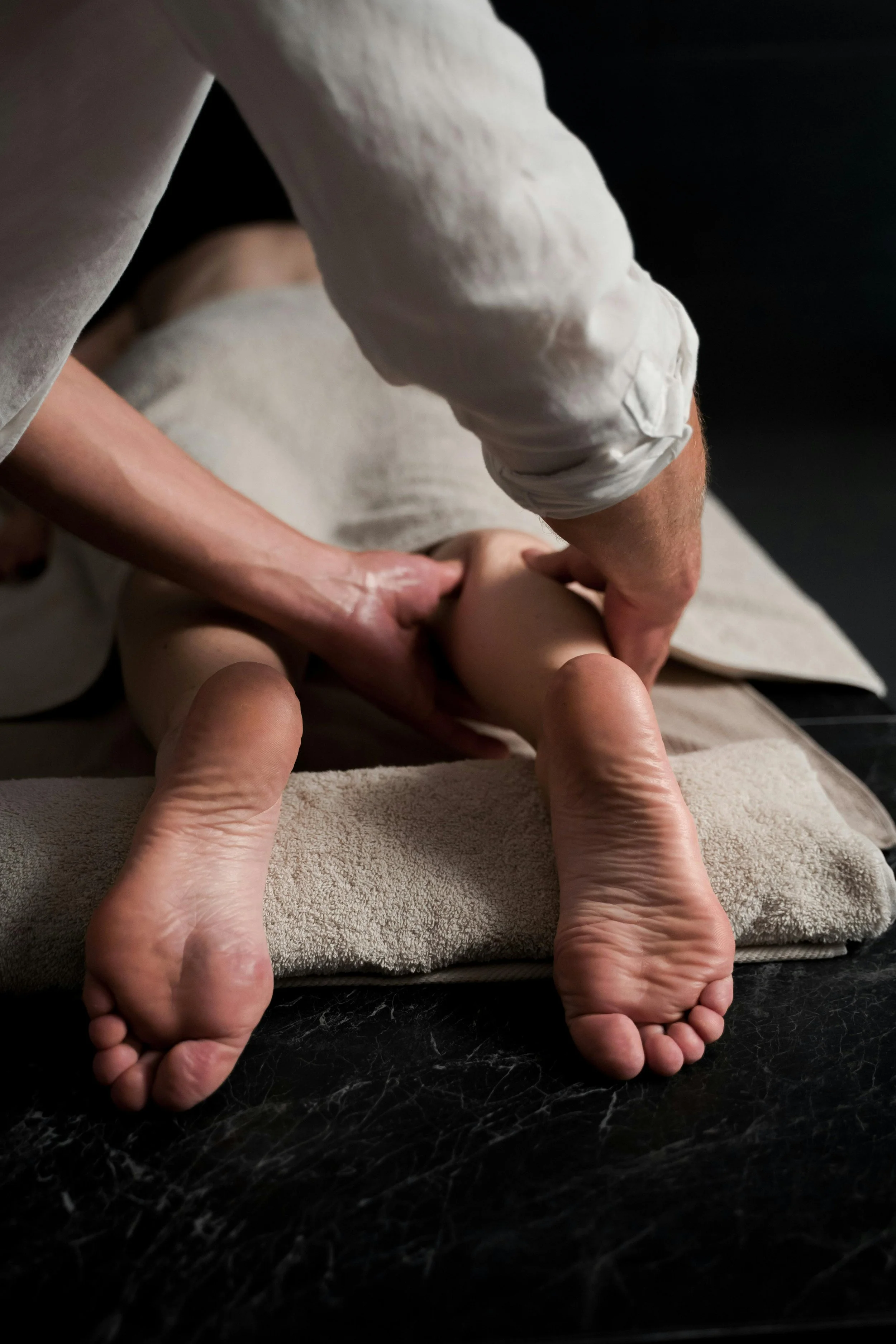
Gentle lymphatic drainage massage stands as perhaps the most beneficial manual therapy approach for people with varicose veins. This specialized technique uses very light, rhythmic movements to stimulate lymph flow and reduce fluid accumulation in the legs. Unlike deep tissue massage, lymphatic drainage applies minimal pressure and never targets the varicose veins directly.
The benefits of lymphatic drainage include reduced swelling, decreased heaviness sensation, and improved comfort. These effects occur because the technique helps move excess fluid out of tissues where it has pooled due to poor venous circulation. Physical therapists trained in vein health management often incorporate lymphatic drainage techniques as part of a comprehensive treatment approach.
Gentle Massage Around Affected Areas
Light, upward-stroking massage applied to the legs, always moving from ankle toward thigh, can support venous return without putting pressure directly on varicose veins. This technique mimics the natural direction of blood flow and may help reduce the sensation of heaviness many people experience.
The key distinction here is "around" rather than "on" the varicose veins. Gentle pressure on surrounding tissues, combined with upward movement, supports circulation without risking damage to already compromised vein walls.
Manual Therapy in Physical Therapy Settings
Physical therapy for vein health often includes manual therapy components that address muscle tightness, postural issues, and gait abnormalities contributing to venous problems. These techniques focus on improving overall leg function rather than manipulating the veins themselves.
A physical therapist might use massage to relax tight calf muscles, improve ankle mobility, or address areas of muscle tension that impede proper circulation. This holistic approach supports vein health by optimizing the mechanical factors that influence venous return.
What to Avoid: Risky Massage Practices
While certain massage approaches may provide benefits, others pose genuine risks for people with varicose veins. Understanding these contraindications protects you from potential complications.
1. Direct Deep Pressure on Varicose Veins
Never allow deep tissue massage, firm kneading, or strong pressure directly over visible varicose veins. These enlarged veins have weakened walls that can be damaged by aggressive manipulation. Applying strong pressure could potentially cause the vein to rupture, leading to bleeding under the skin, or dislodge a blood clot if one is present.
The cosmetic appearance of varicose veins can sometimes mislead people about their nature. These aren't simply enlarged veins that can be "massaged away." They represent structural failure of vein valves and walls, creating vessels that require gentle handling and appropriate medical treatment.
2. Hot Stone and Heat-Based Massage
Massage techniques involving significant heat application, such as hot stone massage, should be avoided. Heat causes veins to dilate, potentially worsening the pooling of blood in already compromised vessels. If you have varicose veins, opt for massage at comfortable room temperature without added heating elements.
3. Percussion and Vigorous Techniques
Rapid tapping, cupping, or other percussion-based massage techniques directed at the legs can traumatize varicose veins. Even if these techniques feel good in the moment, they may cause bruising, inflammation, or other complications in areas where vein walls are weakened.
Massage as Part of Comprehensive Vein Care
Rather than viewing massage as a standalone treatment for varicose veins, it's more helpful to understand it as one component of a broader vein health strategy. When incorporated appropriately, massage complements other evidence-based interventions.
Combining Massage with Medical Treatment
Many people find that gentle massage helps manage symptoms while they pursue definitive treatment for their varicose veins. Modern vein treatments like sclerotherapy and endovenous laser ablation address the underlying problem by closing off malfunctioning veins. Using gentle massage techniques for comfort during the treatment process makes sense, provided you avoid the treated veins themselves and follow your vein specialist's guidance.
After vein treatment procedures, some practitioners recommend a gentle leg massage to support circulation in the remaining healthy veins. However, always confirm this approach with your vein specialist before proceeding, as recommendations vary based on the specific treatment performed.
The Role of Self-Massage
Learning simple self-massage techniques empowers you to manage symptoms between professional appointments. Leg elevation combined with gentle upward stroking provides a safe way to reduce swelling and discomfort at home. The key principles remain the same as for professional massage: gentle pressure, upward direction, and avoiding direct contact with varicose veins.
Self-massage also helps you become more attuned to changes in your legs. This increased awareness means you're more likely to notice if symptoms worsen or new concerns develop, prompting timely consultation with your healthcare provider.
Integration with Other Therapies
Massage works best when combined with other proven vein health strategies. Compression therapy provides consistent support throughout the day, regular exercise strengthens the calf muscle pump, and proper hydration maintains optimal blood viscosity. Adding gentle, appropriate massage techniques to this foundation creates a comprehensive approach to symptom management.
Working with Qualified Practitioners
If you're interested in professional massage while managing varicose veins, choosing the right practitioner makes a significant difference. Look for massage therapists with specific training or experience working with vascular conditions. These professionals understand the contraindications and modifications necessary for safe treatment.
Before your first session, inform the massage therapist about your varicose veins and any other vein conditions you may have. A qualified practitioner will modify their technique accordingly, avoiding problematic areas and focusing on approaches that support rather than stress your venous system.
Consider seeking massage therapy through a physical therapy practice specializing in vein health. These settings integrate massage with other therapeutic interventions and typically have protocols specifically designed for people with venous insufficiency.
Recognizing When Massage Isn't Appropriate
Certain situations make massage inadvisable, even with gentle techniques. If you have deep vein thrombosis (DVT) or a history of blood clots, avoid leg massage entirely unless specifically approved by your healthcare provider. The risk of dislodging a clot far outweighs any potential benefits.
Active phlebitis, whether superficial or deep, also contraindicates massage. The inflammation present in these conditions can worsen with manipulation, and the risk of complications increases.
If you've recently undergone vein treatment procedures, follow your vein specialist's specific guidance about when massage can safely resume. The healing timeline varies depending on the procedure performed and your individual response.
Moving Forward with Your Vein Health
If you're experiencing symptoms from varicose veins or chronic venous insufficiency, gentle massage techniques might provide some temporary relief. However, they cannot replace proper medical evaluation and treatment.
Contact Elmore Medical to schedule a vein evaluation if you're struggling with varicose vein symptoms.
Elmore Medical Vein & Laser Treatment Center is the premier vein specialty medical practice in the Central Valley. Dr. Mario H. Gonzalez and his staff offer years of experience and medical expertise that you won’t find anywhere else. Contact us to set up a consultation appointment.